How do we best care about the environment and what does that really mean?
I’ve always enjoyed being outdoors in nature. In fact, both my grandparents on each side, had it as a ritual to go for almost daily walks in the forest or around where they lived. As a teenager, I used to horseback ride a lot, and we often went for rides in the forest on Sundays. It was on one of these rides, I met a deer in the wild for the first time. My horse pointed his ears with both trepidation and curiosity, at the animal standing on the path in front of us. Me safe on his back, while calming him down and learning all about his signals. Another time, when we were having a field day to go orienteering in high school, me and one of my classmates were walking the trail and talking, not quite sure if we were following the map and instructions properly, so we stopped and tried to figure it out. We stood in silence for a while. When we looked up, a wild moose came our way, screaming as loud as we were, before it ran back into the woods. We made it safely back to the others and had a fun story to share.
It’s therefore not that surprising that I kept my outdoor habit on Sundays also later in life, first with girlfriends catching up after the work week, and then by myself, just enjoying the fresh air and scenery, refilling my energy and connecting with nature and all its beauty and aliveness. I still do.
This type of appreciation and connectedness is what makes up the foundation for growing in relationship with nature, while being both stewards and stewardesses, and part of the eco-system. To see all living things as relatives to us. This is why I changed my name to Telluselle – which means to be a child of earth – an earth woman – to make a brand. It’s a name that I now have had for almost exactly 20 years!
To be able to continue enjoying nature’s beauty, it’s important that we don’t litter or intrude in the animals’ natural habitats too much, as well as make eco-friendly choices, when it comes to anything we wear or use, eat or put on our bodies. I began using biological products for my face, hair and skin in 2005, after returning from my first longer stay in Hawai’i. I used to have some issues with little blisters on my face and was taught to never use anything topical that I wouldn’t be able to also eat. That’s a pretty good rule of thumb! Our skin absorbs what we put on it, which can affect us internally. When I was younger, I liked going to the tanning booth about once a week, to not look so pale, become a little warmer and to feel better about my looks. This might be why I later developed skin cancer though, unless it was even coming from having lived not too far away from a nuclear power plant, giving off radiation.
To me, skin is like the the ground of Mother Earth, and like the bark of trees. When polluted rain becomes absorbed by plants and trees, they too become sick and full of toxins. Everything is connected and everything is interdependent.
This is even more important when it comes to how we source our food of course. I try to eat organic as much as I can, besides choosing gluten free and lactose free alternatives due to my sensitive stomach. I became a part vegetarian in the mid 90’s after learning about how the meat industry works in Sweden, when I was working as a copywriter in advertising. We had several accounts on various firms, that sometimes repackaged old frozen meat, that after it became thawed just named differently. I was told to write a letter once from a CEO to Swedish farmers, to encourage them to use more antibiotics in the feed for pigs, to make sure we’d have enough ham for Christmas. And I was told that hamburgers are made of the rest inside cows’ heads after the brain has been taken out. And that is why Mad Cow’s disease spread! No wonder I became nauseous so often! I’ve never been against eating meat per say though, and had an interesting discussion once with a friend of mine, who like to hunt deer. It’s the large-scale industry that must change! My body began craving meat some more a couple of years ago, when I needed more iron, so nowadays I eat both clean chicken and fish. What do you eat? Can you make more organic choices? I believe that this is better for the health of nature, and thus better for our health too.
Many Native American Indians like to remind us of how we must think of our next generations, when it comes to how we treat Mother Earth. If we pollute the environment too much, we won’t be able to get our own food in the future, besides any further urban exploitations. The dilemma unfolds when we take transportation into account too. If we only can get organic alternatives through long-distance import, is that good for the environment, if it must be transported through heavy traffic? This is what sustainability is about. To think and act more long-term, both in terms of how we work with agriculture and how we handle our waste. Do you recycle? Reuse or repurpose? Is that something you can do more of?
One of the good things about our current situation is that it also becomes a necessity to innovate and be more creative! Not too long ago, I discovered how one business is making a substitute for plastic by seaweed and another using orange peel to make a substitute for leather. Have you seen them? What do you think is needed to restore nature and keep it pristine, while still being able to live a comfortable life? What would you invent if you could?
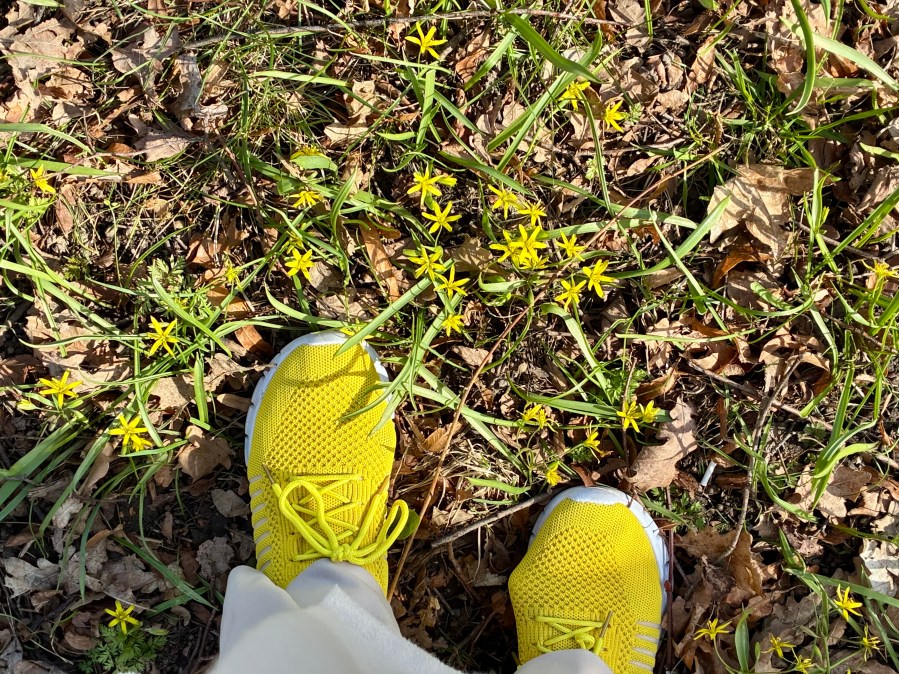
To improve your connection with nature, go outside and use your senses. Feel it, scent it, watch it, listen to it and taste something. We’re part of nature and nature is part of us. A good enough reason to be more caring.
To listen to this blogpost as a podcast, find it on Apple, Spotify or YouTube, or click here:

