Celebrate your harvest

Happy Harvest Day! The leaves have begun to turn yellow and red, and the apples are growing and ripening. Fall is around the corner. I’m Hannah Telluselle and this is The Source Podcast, your source of inspiration and good things. Today, we’re going to acknowledge the origin of our produce and grains, and investigate how they’ve been grown and produced. We’re also going to acknowledge our own work and the harvest this brings us. 

When I’m writing this, the sun is shining and it’s still warm enough to not have to wear a jacket. But the daylight is a little different, and the air is beginning to freshen with a crispness soon to arrive. I’ve prepared my wardrobe with new buys and mending old, to have good things to wear when it gets colder and begun pondering how to proceed with my plans, come fall. I’ve found a great opportunity, that would enable me to take a huge step forward, but not quite sure yet if it’s in my reach. But if anything, I’m learning what to develop and how with my business plan. This time of year, is like that, we both harvest what we planted during spring, and begin preparing for next year’s harvest. And as always, this means to tend to our own needs first.

To have our essential food at home, is not only a physical lifesaver, but also an emotional one. When we feel that we have what we need, we can relax and worry less, and instead use this energy towards producing other things, that can bring us more, whether that is through study, work or applications. 

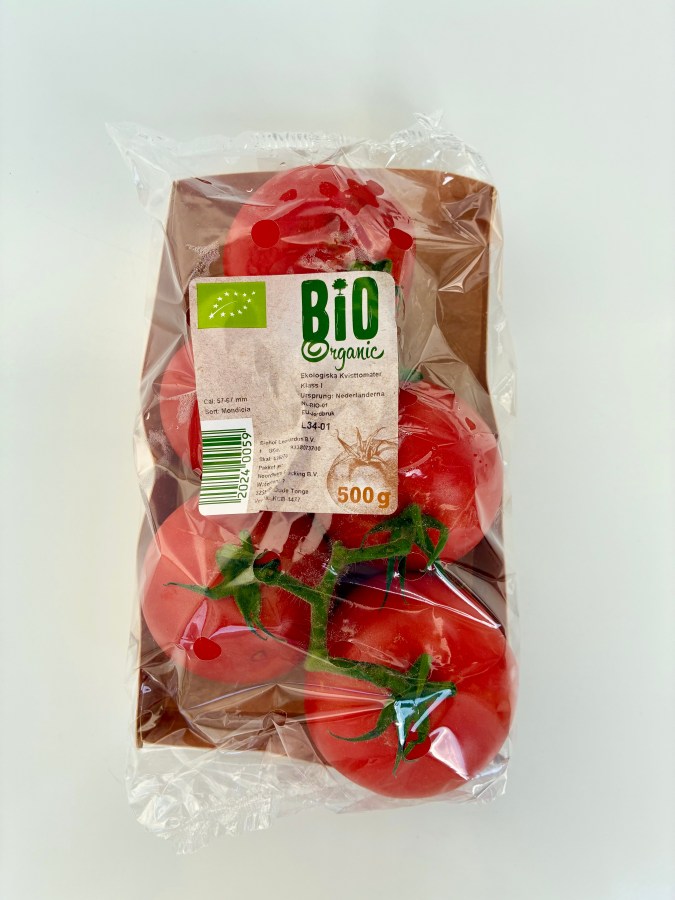
This time of year, is also when the grocery stores usually have refilled their shelves with both dry goods and grains, and fresh produce with berries, fruits and vegetables. What is growing naturally where you live? Stock up on that first. It’s said that our wellbeing increases when we eat locally produced meat and produce, since this connects us with the land and our bodies are already in tune with the same source. If you feel comfortable with your local farmers as is, go ahead and purchase their products. If you want to be surer, or if you’re like us in Sweden and must buy mostly imported tomatoes for example, you might want to check for bio or organic. This ensures not only that no pesticides are used on the actual crop, but that the soil likewise isn’t fertilized with chemicals and that any poultry, ham or beef doesn’t have any either. It might take a little extra attention, to read the labels more carefully, but once you’ve learned which brands to choose that are within your reasonable means and do your body well, it becomes much easier next time you go grocery shopping, because you can now disregard the other brands. 
To add a spiritual connection to our food, when you sit with the fruit in your hand, especially if it’s been locally grown, remember that it’s a part of the earth, just like we are parts of the earth, and this is why it’s so important to tend to with caring hands. Perhaps you even would like to grow more of your own? Some things like lettuce, cherry tomatoes, berries and herbs, can be grown indoors in pots, if you don’t live with a garden permitting. What we eat is an extension of ourselves, so make sure to choose that which enables you to be your healthiest self.

You can plan some of your meals ahead and make sure to stock up your freezer too, after picking your favorite tastes of vegetables and fruit, and have baking goods if you feel so inclined. To make it more exiting, you can of course try something new or revive something you used to do. It’s so easy to get caught in the same route, without thinking. It’s good to ponder about what to buy before, with a list and checking recipes. Then only add any of the supplements you can’t meet through your own diet. What does your body need?

Now look at your own work, whether schoolwork or as employed at a firm. What did you start this spring and what have you finished now? What did you learn? How did the sales go? What can you celebrate before the new fiscal year begins? This is your harvest. And as always, celebrate it together with others crucial to your success.

The next episode of The Source Podcast airs on September 1st, for celebrating World Letter Writing Day. Tune in on September the 1st, to receive inspiration to write someone a letter.

To listen to this blogpost as a podcast, find The Source Podcast on Spotify, Apple and YouTube.

Happy Earth Day!

How do we best care about the environment and what does that really mean?

I’ve always enjoyed being outdoors in nature. In fact, both my grandparents on each side, had it as a ritual to go for almost daily walks in the forest or around where they lived. As a teenager, I used to horseback ride a lot, and we often went for rides in the forest on Sundays. It was on one of these rides, I met a deer in the wild for the first time. My horse pointed his ears with both trepidation and curiosity, at the animal standing on the path in front of us. Me safe on his back, while calming him down and learning all about his signals. Another time, when we were having a field day to go orienteering in high school, me and one of my classmates were walking the trail and talking, not quite sure if we were following the map and instructions properly, so we stopped and tried to figure it out. We stood in silence for a while. When we looked up, a wild moose came our way, screaming as loud as we were, before it ran back into the woods. We made it safely back to the others and had a fun story to share.

It’s therefore not that surprising that I kept my outdoor habit on Sundays also later in life, first with girlfriends catching up after the work week, and then by myself, just enjoying the fresh air and scenery, refilling my energy and connecting with nature and all its beauty and aliveness. I still do. 

This type of appreciation and connectedness is what makes up the foundation for growing in relationship with nature, while being both stewards and stewardesses, and part of the eco-system. To see all living things as relatives to us. This is why I changed my name to Telluselle – which means to be a child of earth – an earth woman – to make a brand. It’s a name that I now have had for almost exactly 20 years!

To be able to continue enjoying nature’s beauty, it’s important that we don’t litter or intrude in the animals’ natural habitats too much, as well as make eco-friendly choices, when it comes to anything we wear or use, eat or put on our bodies. I began using biological products for my face, hair and skin in 2005, after returning from my first longer stay in Hawai’i. I used to have some issues with little blisters on my face and was taught to never use anything topical that I wouldn’t be able to also eat. That’s a pretty good rule of thumb! Our skin absorbs what we put on it, which can affect us internally. When I was younger, I liked going to the tanning booth about once a week, to not look so pale, become a little warmer and to feel better about my looks. This might be why I later developed skin cancer though, unless it was even coming from having lived not too far away from a nuclear power plant, giving off radiation. 

To me, skin is like the the ground of Mother Earth, and like the bark of trees. When polluted rain becomes absorbed by plants and trees, they too become sick and full of toxins. Everything is connected and everything is interdependent. 

This is even more important when it comes to how we source our food of course. I try to eat organic as much as I can, besides choosing gluten free and lactose free alternatives due to my sensitive stomach. I became a part vegetarian in the mid 90’s after learning about how the meat industry works in Sweden, when I was working as a copywriter in advertising. We had several accounts on various firms, that sometimes repackaged old frozen meat, that after it became thawed just named differently. I was told to write a letter once from a CEO to Swedish farmers, to encourage them to use more antibiotics in the feed for pigs, to make sure we’d have enough ham for Christmas. And I was told that hamburgers are made of the rest inside cows’ heads after the brain has been taken out. And that is why Mad Cow’s disease spread! No wonder I became nauseous so often! I’ve never been against eating meat per say though, and had an interesting discussion once with a friend of mine, who like to hunt deer. It’s the large-scale industry that must change! My body began craving meat some more a couple of years ago, when I needed more iron, so nowadays I eat both clean chicken and fish. What do you eat? Can you make more organic choices? I believe that this is better for the health of nature, and thus better for our health too.

Many Native American Indians like to remind us of how we must think of our next generations, when it comes to how we treat Mother Earth. If we pollute the environment too much, we won’t be able to get our own food in the future, besides any further urban exploitations. The dilemma unfolds when we take transportation into account too. If we only can get organic alternatives through long-distance import, is that good for the environment, if it must be transported through heavy traffic? This is what sustainability is about. To think and act more long-term, both in terms of how we work with agriculture and how we handle our waste. Do you recycle? Reuse or repurpose? Is that something you can do more of? 

One of the good things about our current situation is that it also becomes a necessity to innovate and be more creative! Not too long ago, I discovered how one business is making a substitute for plastic by seaweed and another using orange peel to make a substitute for leather. Have you seen them? What do you think is needed to restore nature and keep it pristine, while still being able to live a comfortable life? What would you invent if you could?

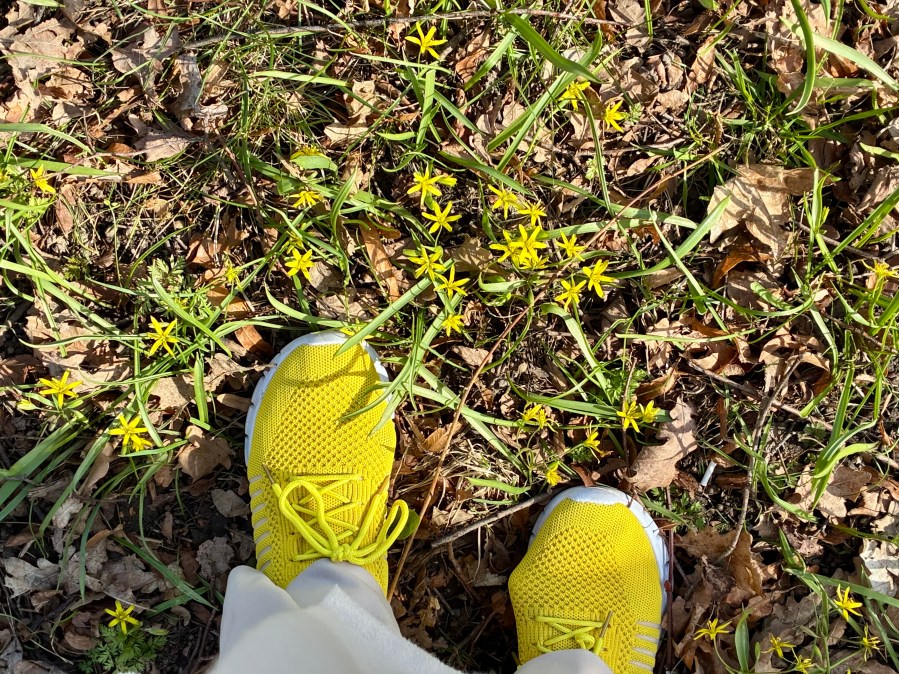
To improve your connection with nature, go outside and use your senses. Feel it, scent it, watch it, listen to it and taste something. We’re part of nature and nature is part of us. A good enough reason to be more caring.

To listen to this blogpost as a podcast, find it on Apple, Spotify or YouTube, or click here:

Choosing a Christmas tree

Plastic or real? Or a Juniper instead? When it comes to choosing a nice Christmas tree, it’s hard to know, what really is organic and sustainable. A plastic tree, can of course be used several years in a row, and thus save the environment from excessive growing going to waste. On the other hand, a real tree, has a Divine scent and makes the holiday seem more homey, nice and natural. But, what are the alternatives?

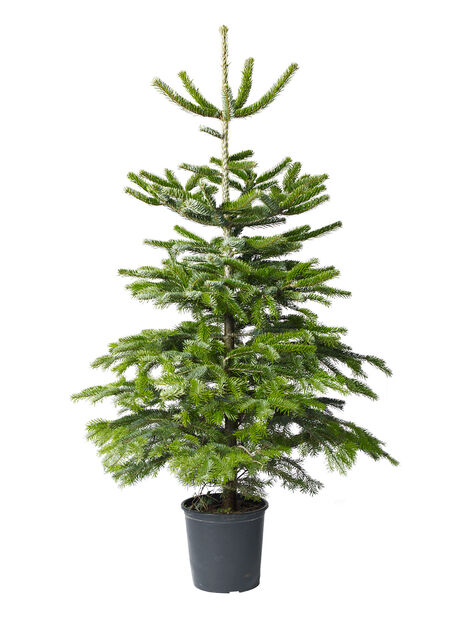
When I lived down south of Sweden, I used to have a large chandelier made of black iron and designed by my mother, standing in a corner, that was as large as a mid-size tree, and that I would decorate with a couple of Christmas balls and garlands. Before this, I would buy a small Juniper, instead of a tree. This too has a nice scent and can last longer, without leaving any traces of dry spruce. And the other day… I found this nice option! A real tree, but small, in a pot. Isn’t this the most organic and eco-friendly alternative?

Imagine if we all would go outside into the woods and cut ourselves down a tree. That would be a million trees just in Stockholm, and no trees left in the forest! And all trashed in a couple of weeks! People could at least make wood of them. On the other hand, doesn’t it require non-organic material manufactured in a not eco-friendly way to make plastic trees? So, what if everybody bought small ones in a pot instead? And kept them on their terraces, or planted them outside, after the holidays? What if it’s even possible to keep them in a pot for next year? I think this would be a much more sustainable idea. Merry Christmas!

Photo from Plantagen, in Stockholm, Sweden.

UPDATE: I read in the news, that some of the used Christmas-trees in Sweden, are put into certain rivers to make it a playground for fish to mate. Pretty cool!