Accomplishments 2025

If you’re going to take some time off during the holidays and need an excuse to have some alone time – making a review of this past year can be it. When we go through what has transpired during the year, it both makes us feel more accomplished and helps us see whether or not we’ve reached our goals and in which areas of our life we’d like to improve and set new ones. Overall, are you content about how your 2025 has been? What would make you feel more content?

To make a review of this year, you can do it in two ways. Either you go through month by month and make a timeline with your achievements for each. Or you can make two lists with Measurable (such as how many hours) and Immeasurable (such as what you’ve learned) things you’ve accomplished. And you can of course do both!

Here are mine:

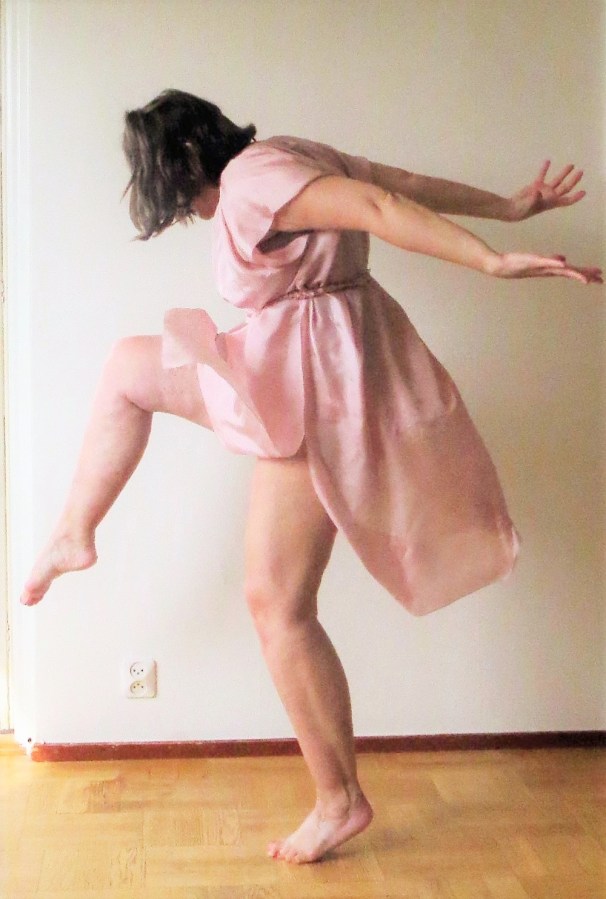
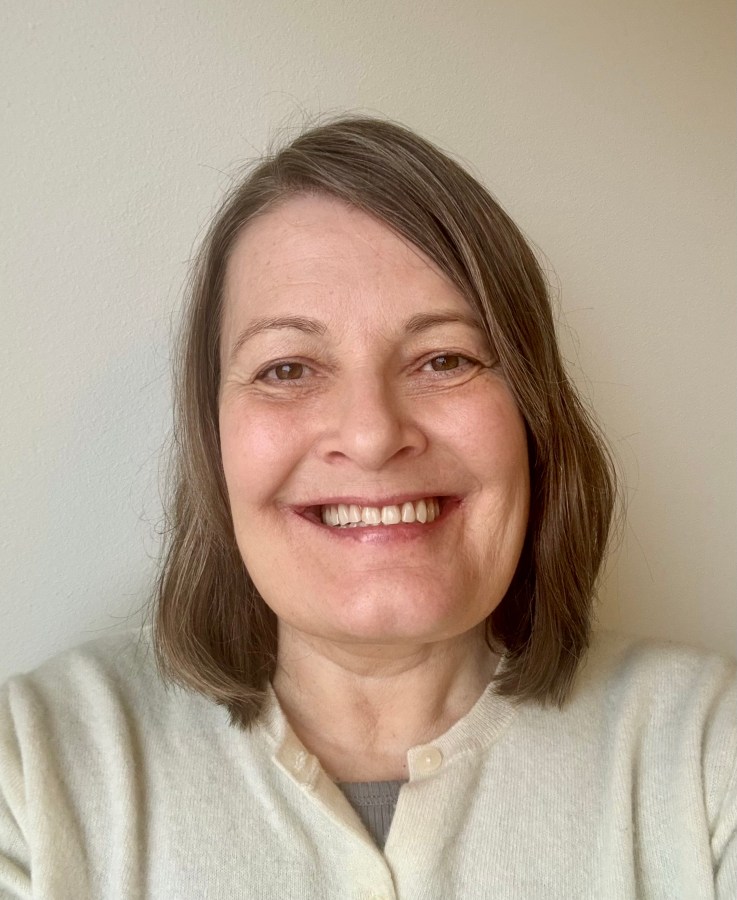
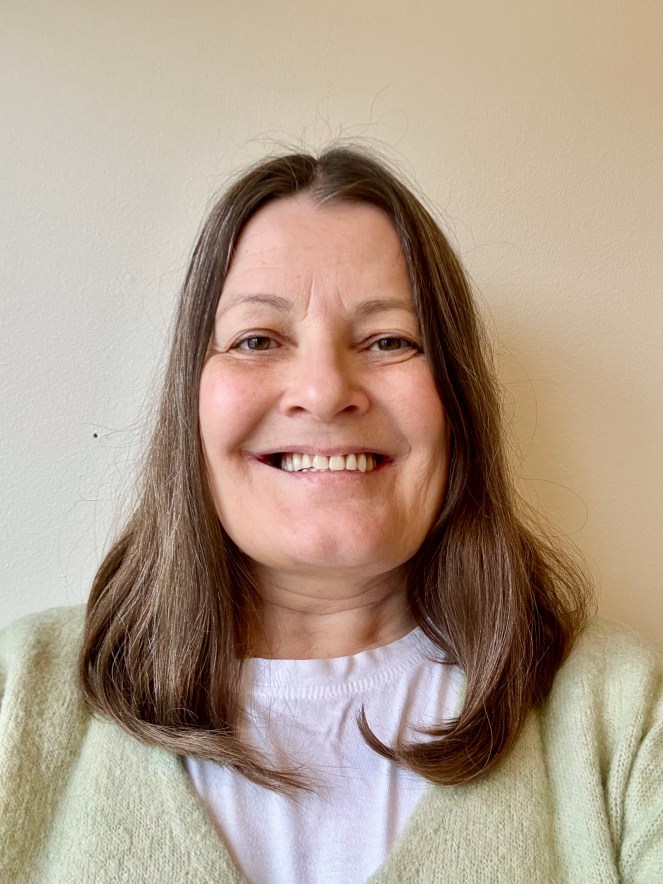
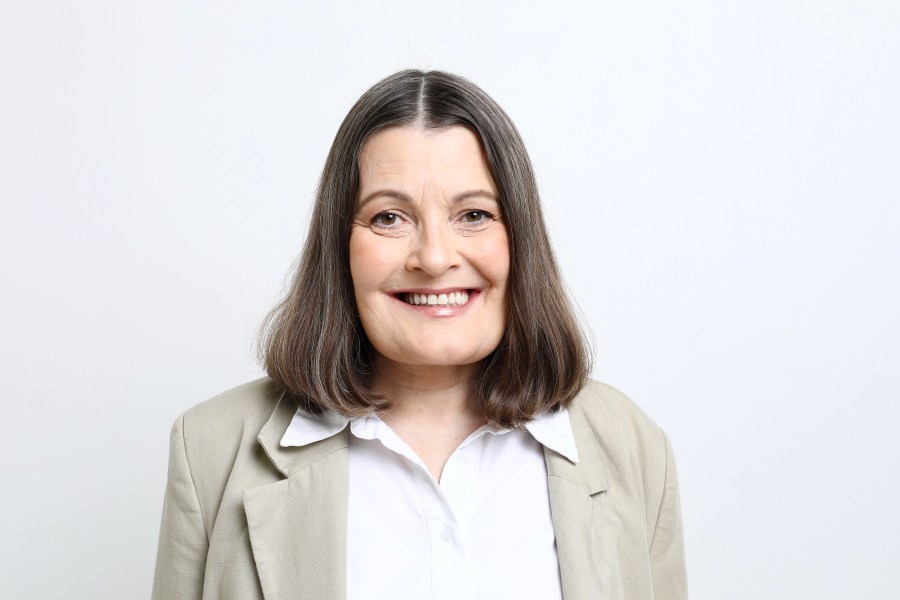
I started 2025 in January by getting cataract surgery on both my eyes. It for sure became both a literal and symbolic eye-opener! My physician couldn’t understand how I’ve been able to cope for several years at all, how bad they were. And now, I don’t even need to wear glasses! I also got a nice set of professional photos taken both wearing a suit and wearing a dance tunic.

In February, I won in court against the Swedish welfare office and got to keep my old business name Balansfokus without their interference and got the denial of welfare for two months reversed. I also received damages in another case, where I had filed a complaint against a psychiatrist delaying a diagnosis and surgery of Malignt Melanoma in 2022. I went to see a new physician and got a new certificate of my health that I submitted to the asking authority, who approved in September.

In March, I therefore set out to renew my wardrobe, which I did. I focused on taking care of myself by getting a much needed lomilomi massage and of course continued with my job applications and took part of Storytelling in a local Meetup group.

In April, I began participating in a coaching program for unemployed with Manpower here in Stockholm, Sweden, much to see how they are conducting it, since I want to preferably run my own coaching practice, where in Sweden the job agency finances this for unemployed for a period of six months.

In May, I focused on job searching, attending webinars and did a phone interview for a remote position as a project manager for a new launch of a reading app in Europe, but was relieved to not get it. I don’t want to work solemnly remotely.

In June, I thankfully received another grant from the Swedish House of Nobility, because of the many denials of social security, so I could both pay due rents and buy myself a much needed new cellphone and computer, and pay my website host. I also sent out several pressreleases about my new book about creativity.

In July, I loved going down to the little lake where I live, to get tanned and take a dip. I also decided to postpone my planned travel to San Francisco due to the increased ICE-raids and not having enough funds. I finalised my books with some updates, as well as my personal website. I had a meeting on Zoom to collaborate with the Joy+ app, but had to wait due to lack of funds. I attended a Master class series in how to make a TED Talk and outlined my proposals and sent in applications.

In August, I continued making more content and went down south of Sweden to visit my dad and my younger brother also came with his two sons, whom I’ve never met and not met neither my brother or my dad for more than 10 years! I wrote an article about creativity to a magazine and sent in, and attended a full day workshop with a British author event. I tried working with AI-editing Swedish translations through One Forma, but only to once again discover bad practices.

In September, I registered at a Swedish university to redo my Master’s degree exam paper and finally after 20 years of waiting (!) received proper feedback to know what needs to be reworked and edited. I finished the Swedish job coaching program at Manpower, edited my resumé and increased my number of sent in job applications. I also attended a 5 day coaching program online with a British gal. I’ve began posting on Substack in an effort to try to get paid subscribers to the content of my books, as an alternative to buying them.

In October, I wrote a short story and submitted to an Australian competition. I focused on job searching including contacting my own preferred companies to work with. I also attended some ACMP Changemaker webinars and tried to rest a lot, given I hurt my ribs at a fall in a staircase.

In November, I got my final (hopefully!) exam by my skin doctor without any new signs of neither melanoma birthmarks of more swollen lymph-nodes after three years of continuous check-ups. I attended a lawsuit that I initiated, as well as appealed another against the yoga studio YogaMana, whom I believe took the word mana out of its Hawaiian context from my blog many years ago, besides being denied social security again and having to appeal those decisions too. I made several power point decks for my outlined talks and posted on YouTube as a practice and appetizer. And I sent in information about my passed-on grandmother to the Polish Institute of Remembrance for Holocaust survivors, as well as asked for any information they might have on her.

In December, I’ve concluded my year and finished more recordings of powerpoint decks and have had to continue to fight for my survival financially.

Measurably, altogether in 2025, I’ve applied for 228 jobs, I’ve recorded 59 coaching tip videos and posted on my social media, and then a couple of other reels and dance videos, besides regular blog posts and updates. I’ve practiced 27 hours of yoga, 29 hours of Isadora Duncan dance, 17 hours of Qigong and 12 hours of Hawaiian Hula, at home. And I’ve went for at least 100 walks in the forest.

Immeasurably, I’ve learned to make little reels and overcome some of my self-consciousness about speaking in front of a camera, as well as taken note of ways to conduct webinars.

When we’ve tried our best, we’ve done what we could. Now, how has your year been?

Making a New Year’s resolution that works

Are you tired of trying to make promises and New Year’s resolutions that you can’t keep or not follow through on? Whether this is due to your own busyness, laziness or even forgetfulness, or due to others’ imposed conditions that you can’t do much about, I have a solution that you can hold onto. 

For several decades, I’ve instead of making a promise or a New Year’s resolution, opted for a specific word, theme or topic that represents a trait or something I’d like to improve or develop within myself. This thing is something I can work on regardless of any circumstances beyond my control or when changes forces me to alter my course. Some years, I’ve chosen traits like “integrity” or “softness”. This past year, I’ve focused on “articulating better” and “being more gentle”. This came about as a result after having had multiple teeth surgeries done for altogether three years and getting dental implants, prompting me to hide my mouth and hide my smile for just as long, until this year. And since I’ve often been told that I have a tendency to speak too fast, especially in my native tongue Swedish, getting dental implants provided me with an opportunity to try to improve this too. Being gentle, is part of my strive to embody more femininity in a cold and harsh world, such as when I brush my hair and the way I open and close doors, grab things etc.

Next year, I aim to set lower expectations and therethrough create less resistance with others, and instead focus on “hope”. Hope is a timeless asset and always needed, as well as referred to as the anchor for our soul in the Bible (Heb 6:18-20). Alas, something we always can hold onto.

Which theme or word will you focus on 2026?

Setting boundaries for you

Often, setting boundaries can be a bit daunting. We might feel a bit awkward about saying no to someone or something. And quite frankly, sometimes we don’t even have a real excuse, but just not feeling up to it. Then it becomes good to remind ourselves that setting boundaries isn’t just about whether we should say yes or no to going somewhere, but a matter of taking good care of ourselves and getting our needs met. Energy is our body’s currency. By setting boundaries we can economise our spending.

How do you know if you need to set one? It’s like many other things often just a feeling in your body. You might feel irritated or tired when you think about going. You might not feel like you can afford it monetarily or time wise. Then it’s usually an indicator of your need to set a boundary.

On the other side, is getting out of your comfort zone. Sometimes, we get our needs met better by leaving our self-imposed boundaries, when they have become excuses not founded in actual needs of retreating.

To find a proper middle ground, you can decide to rather set limits than boundaries, such as if you have a tendency to binge watch a TV-series, decide to just watch one episode per day instead. How does that make you feel? More in control, trusting in yourself better, and as a better caretaker of your resources? Then watching two, can instead become a treat.

So, as we’ve entered the season of indulgence, where do you need to set a boundary to ensure your own well-being?

Following indigenous wisdom

Ever since I was a little girl, I’ve always been drawn to learn more about indigenous people’s way of living, whether to learn more about sacred spiritual practices and shamanism, or to live in harmony with nature and to ride well bareback, like Native American Indians. I used to horseback ride for about 8 years during my school years in Sweden and even worked weekends at the local riding club to earn some extra cash and to get some free extra riding classes. We also often rode through the woods or cantered over open fields. The connection I was able to create with my favourite horse(s), was my starting point to connect with nature and to enter the spiritual realm.

No wonder then, decades after, living in Hawaii on several occasions and getting to know some bits and pieces of their indigenous wisdom has enabled me to gain a more solid foundation and perspective on life, building on my interest since childhood, and knowing how my grandfather also had taken an interest in the Swedish indigenous people up north; the Sapmi, where he first lived and when my dad was born.

I believe that we can translate indigenous wisdom, not only literally, but to apply in our modern western world to create more peace and harmony. This is part of my aim for building Telluselle Living Center. Here, is a short version of my presentation and slideshow of the Hawaiian values and how these are carried out in everyday life and culture, what they encompass and what we can do too.

Aloha!

Time to make room for new?

According to Feng Shui, the year of the Snake 2025 is about shedding layers, which will make room for the Horse to emerge with fire next year. This can be translated both in terms of any behavioural patterns we want to change, and getting rid of things that no longer fit us or that carries an energy we don’t want.

Where and how we live, reflects who we are and what we value. You can make this work for you, by consciously go through all your items in your home, including your wardrobe, and discard (sell, give away, reuse or throw away) those that no longer fit you or no longer are aligned with what you’d like to achieve. You do this, simply by asking what an item means to you:

Do you value it because it was expensive?

Does it hold sentimental value?

Is it something you actively are using?

Does it align with your own values, such as what it’s made of and what you believe in?

While Feng Shui is its own science, you don’t need to worship anything, but rather see it as a tool to improve your home and improve your sense of wellbeing. If you’re Christian like me, you can for example use these principles if you feel that it makes you into a more loving person and better at being of service, while not hoarding. And this enables you to make room for more, or other, things.

Following through

This past year, I’ve had articulating better and being more gentle as my focus and theme for my personal growth. Since I used to work in advertising, I’ve been very self-conscious about posting any videos of me speaking, since normally any of my videos would be done in a studio with proper lighting and by a professional photographer, but since I don’t have the funds to access that, as well as have undergone dental surgery to get implants for several years, I haven’t been able to. Now this past year, I challenged myself to improve my speech by practicing in front of a camera again on my own. Here is the result:

In fact, I’ve also been known to talk too fast, which is one of the good things about speaking in your second language. It has naturally slowed me down. I also used to sing when I was younger, in choirs, so these coaching tip videos I’ve been posting on my social media, has been good for me to reclaim my voice, both literally and figuratively. One would think that in a country like Sweden, it wouldn’t be a problem to perform with talks and be featured in the press again about your books and cases, just like I have been my entire life up until 2014, but authorities then tried to stop me from selling my books through their misguided reports about me and my mental health, while forcing me out on the street. One would also think, it would be better for the state that I worked with my normal salary, paid taxes and paid off my student loan. Not being able to, together with heavy libel and unresolved stalking, is the foundation for my aim to move abroad.

We all have battles and we all can work on improving ourselves. Have you had a theme or word to focus on yourself for 2025? How did it go? I will share my next one for 2026, in a couple of weeks.

What is creativity?

The trend of becoming an influencer has created a surge for many young women to believe that posting a reel can both make them famous and give them an income. While it can happen for a few, for the majority it doesn’t. And even so, being an influencer is not a creative profession in itself, but being a model. It requires the building of a personal brand in order to influence others. To help people understand more about this, I’ve written a guide called “A book about Creativity”. Here is a slide show presenting some of its content:

To read more and receive real-life examples, you can find it on Amazon or Kindle!

Tea as medicine

Today it was below freezing in Stockholm, Sweden, when I woke up and my soar throat had gotten worse. It made me realise how grateful I am to have and be able to drink the kind of teas I prefer. I have chosen this brand since more than two decades regardless of whether I’ve lived in Sweden, Germany, Portugal or the United States and feel happy with them. In the morning, I enjoy Ginger-Lemon with honey, to wake me up gently and boost my immune system. When I want to give myself some more care, I choose a cup of Green Chai.

In the afternoon, I like to drink some Hibiscus tea that is both refreshing and re-energising without any caffeine. Sometimes I choose Echinacea to curb a cold or regular green tea to aid digestion.

All in all, making conscious decisions with awareness enable us both to feel free and in charge of our lives, at least in this department. And of course, this means that we can set the conditions for good health the way we want. A true life coaching necessity.

Which teas do you prefer? Or do you prefer coffee? And do you consciously choose tastes and brands when you go shopping?

Using creativity for change

One way to ignite your creativity and ensure that it’s not just a mere exploration of your imagination, is to think of something you would like to change or improve. This can be a method or a process on your job, the way you think about something, a problem you’d like to solve, or a call to create an actual invention. Our change in society is driven by creativity. We invent new technologies and through the use of it by majority, we also change our society. Some of these might feel imposed, just like when someone suggests a change on your job that you feel resistant or question to implement. But nonetheless, these inventions might be important to get to know so you can make an educated choice whether or not to adapt or to check in with what is working well to keep.

A way to think about changes thus, is through the lens of creativity. You reach these through posing curious questions like:

What would I like to change and improve?

How can I approach these changes too?

How can I benefit from undertaking this change?

How can I solve this problem?

Why is there a need to change?

How do I want it to look like?

What do I need to learn?

Who can I do this together with?

To help you see various perspectives and narrow down which action-steps you need to take in order to change, as well as come up with ideas how, meetings with a life coach like me will enable you unbiased and empowering support.

When you look at a change as a prompt for creativity, it becomes more of a positive experience.

Thanksgiving challenge!

Now that we’ve entered the month of November and thus are approaching Thanksgiving in the United States (It’s already been in Canada, and in Sweden we celebrate a day of gratitude the second Sunday in October), it seems like an opportune time to delve deeper into the practice of gratitude. Normally, I write down things that I’m grateful for once a week in a journal. But this can be expanded into areas, where each area can get their own attention and examples of appreciation.

So, the challenge is to write down 10 things you’re grateful for in 10 areas of your life! Areas can be:

  • Health
  • Family
  • Home
  • Work
  • Friends
  • Faith
  • Past-time pursuits
  • Finances
  • Nature
  • Knowledge

What we are grateful is of course individual, but it can be of things we have received, it can be meetings and what someone has said or done, what we feel we have and enjoy.

Take out your journal, or make lists on your computer! By all means, share it too. And remember, the more we’re sincerely grateful for, the more we’ll notice and receive.

Overcoming obstacles

Whenever we dread something, feel nervous and anxious, or simply don’t know how to navigate around an obstacle, it’s easy to focus on the actual obstacle, trying to overcome it. This however, will only make the obstacle feel unsurmountable and bigger than it usually is. As someone who used to horseback ride a lot growing up, I’ve learned a trick.

When a rider sets out to jump an obstacle course, it’s crucial to look over the obstacles and onto the way or even to the finish-line. If we look directly at the obstacle, the horse stops and doesn’t want to jump over it. Through this, we can learn that if we focus on what is coming next, or what we’re going to do once we’re done with the scary dentist appointment or other thing, our mindset can shift into seeing it just as a step on the way. So next time you find yourself facing an obstacle, think of what you’re going to do after it. This way, you’ll feel less pressure and more flow.

A free spirit in a free body

Last night when I practiced Isadora Duncan dance at home, I wore my new built-in top and it was such a relief! In the beginning when I started dance practicing ballet and jazz dance growing up, we all wore leotards and tights to enable the teacher to see our lines and correct our motions, besides staying warm. Then doing other styles as an adult and with fashion changing to jazz pants and yoga leggings, it became natural to let go of the leotards and use a regular tank top and bra instead with them, which of course covered up my self-consciousness as well. Wearing a bra, one would think would be needed for a see-through silk tunic too. However, that would go against Isadora Duncan’s whole idea – Dancing: The highest intelligence in the freest body.

It does make a difference! Wearing a bra restricts both our back and shoulders, arms and chest, and makes it harder to dance simply – a must to let go of. And being grateful for my small chest size instead, exactly enables me to dance. So, now I’m back to wearing soft tops and leotards again, and therethrough receive unrestrained breathing and movement, letting each dance motion extend from within. Then something wonderful happens. A free body, enables our spirit to feel free and through this freedom, joy can spring forth.

Turning procrastination into preparation

Have you ever felt like wanting to put off something, or to just wait a little longer, or to just do something else first before you dive into the task? We all are procrastinating from time to time. Sometimes it’s about doing our chores around the house and sometimes it’s about getting things done for work or finishing reading the next book for your class. How do we then best overcome procrastination and does it even have a role to play?

I’ve found that if I look at my procrastination from the lens of first needs and then as a time to prepare, I can get energised and easier get going. First of all, if I’m physically tired or have had an emotional hard day, I might have to postpone something so that I know I’m in my best position to, and rest up first. Neighbouring to this feeling, is discipline. When I make a conscious decision to do something and then follow through with it, it provides me with energy to carry it out, especially if I do it directly. So to find discipline, make a decision.

We can also look at procrastination as a matter of getting time to prepare. For example, to do other things that also needs to get done, so we can focus better, or even begin doing the planned task in our minds. As a writer, I always begin my writing in my thoughts, so while it may seem like I’m not doing anything, I might be writing my next blogpost or even my next book in my mind while I sit in my couch. Then it becomes easy to just sit down and write it out. And to prepare, I might just see to that I have everything I need set up. When the time is right, we feel it in our bodies. This way, we become more in a state of flow, which even makes the task easier.

What are you procrastinating about, and what do you need, in order to overcome that?

Life is a balancing act between comedy and tragedy

Yesterday while I was doing laundry, one of my neighbours and I started talking. He shared that he bartends in a club that has Stand Up Comedy performers and urged me to come and check it out. It got me thinking when I came home, how we all need a good laugh now and then. And how I produce them, to make myself feel better.

Life can be very tragic. And often, just like with the old Greek theatre masks, sometimes we might put up a face opposite from what we feel, like smiling when we’re sad. But sometimes, we can also have a hard time staying serious, when what we’re facing seems hilarious to us. I’ve learned that being transparent and authentic decreases the drama and real connections can instead forge; to let our face display what we truly feel. I’ve often been told that mine is like an open book. And while this might sound embarrassing to some, to me it’s a relief to not have to hide anything or having to put up an act among others, and therefore not be afraid that any skeletons would fall out of the closet.

So, to give myself a good laugh, I usually just turn to my own imagination. I imagine a scenario with whomever I’ve interacted with, or am about to, or through my own wishful thinking too of course. When these play out in my mind, I naturally start laughing. It lessens tension and lifts up my mood. It’s not like joy, that stems from within through an actual experience, but it still makes us feel better.

Which kind of entertainment do you take to, to relieve stress and get a good laugh?

Photo of masks borrowed from this site, where you also can read more about them.

Transforming energy

A while back, I heard someone saying that he didn’t believe we could change our thoughts and that is why he was stuck in depression so long. I couldn’t disagree more. Changing our thoughts is exactly what we can change! And by doing so, we can change how we feel. We do this by changing perspective. The best way I know, is by applying the opposite. Sometimes, we just need to put something aside, let go deliberately and do something else physically for example. But at best, we’re able to process what we think and feel so that we might come to a different understanding, even by choice. When this process of change has taken hold within, we’re able to embody it and thus transform our mood, emotions, and energy.

To use the opposite, try thinking of what would make you happy about a situation rather than sad, pleased rather than annoyed, loving rather than hateful, inspired rather than envious, caring instead of harmful and so forth. It can be done by assuming a stance of pity at first of the other, growing into compassion. It can be finding what you’re grateful for not to have to endure yourself, and for what you have. And it can be to assume leadership and taking charge of what you’d like to do and begin to!

Even better is, that we by transforming this energy ourselves, also can transform the energy of a room, an event or a situation. It can be by bringing stillness and calm into riled up arguments, to bring order into chaos and to bring discipline and focus into disarray and upset, when there is drama without real threats. Often, it’s just a matter of standing our ground, standing tall, and remaining firm. To me, this is even what doing the yoga pose Vrikshasana (the tree) is about. To sway if we must, but to keep the balance. With the add of a prayer, we can even transform it into love with forgiveness.

As with most things in life, how we think and feel becomes a decision.

To read examples of you can transform different feelings into their opposite positives, click here.

Taking it as a test

Whenever things happen to us that we feel have been upsetting, or even traumatic, we can reframe the event to make ourselves feel better and lift ourselves out of the emotional state of victimhood, by choosing how we look at it.

First, we can look at it as a lesson to be learned. Is there something the other person has said or done, that we can take in and delve upon as a lesson? Maybe it’s just a matter of communication and learning to be more clear, direct, and distinct, when we talk. Maybe it’s a matter of daring to set a boundary more firmly and having done so, can sometimes result in a reaction that becomes offensive. And that can be what is behind another’s accusations.

Second, we can look at it as a test of our own values and integrity. The more someone wants to speak badly about me, and for the most part based on total lies or unfounded accusations, without ever talking to me directly, the more I stand tall in my own convictions. I get to try what really is true, who I am really, and where I stand in this issue. And through this, I grow in integrity. Something that also allows me to let go of another’s opinion and continue on my own path with more openness towards others instead.

When we face what we’re not, we see what we are. Someone much better, and therethrough this instead, becomes confirmed. All resulting in a better sense of self and confidence.

Ensuring balance

As we approach the fall equinox tomorrow here in the northern hemisphere, I feel inspired to write about balance. The fall equinox (and spring) is the time of year, when day and night are equally long, where there is perfect balance between light and dark, of yang and yin. What better opportunity then, to bring in some more balance to our lives?

To create more balance in your own life, think of how much time you spend doing certain things and see if you can compensate with the same amount for rest and sleep. While scrolling too much is never good, it can still be a way to relax and unwind after hours of intense study or writing, for example. Then there is of course tending to all our needs. Balancing alone time with time in good company with others is important, just like what you put on your plate and hydration. Having balance between giving and receiving, is the foundation for all health and relationships.

What if, this balance is the pre-cursor to creating more balance in your family and community too? In our cities and countries? Can we help each other to create more balance? To me, balance is fairness. When we treat others with fairness, we can see that justice becomes served and that everyone can receive equal opportunities, especially when it comes to take care of and meet their own needs. To not only be allowed to work, but be able to pursue the path we choose based on our actual ability and competence. And with this notion, comes the brutal truth of putting limits on immigration. Movement across borders becomes the precursor to more movement. Do all immigrants really need to migrate? Can we who do, be discerned among the masses? Or should we open all our borders to anyone and everyone? Would I have to migrate if I had a good job, made my own living, had my own home and family? If I could feel safe from authorities’ imposed suspicions of both my ability to work and my mental health, and yet assumed cheating? With little respect of both my physical safety and health, and emotional health? And if I can’t find that here in Sweden, who loses on me finding it elsewhere?

Balance is fairness. Fairness is justice. How about we all try to make life more fair?

The pre-requisites for a good dialogue

Ever wondered why a coaching session only should last for 45 minutes? This is because, 45 minutes is the proven time that we can remain focused and listen, before we need to take a break. Most of us enter conversations with a set of emotions that we either carry due to other people and circumstances, or due to a previous meeting or talk that had us become upset, or even positively anticipating and expecting, that we might now fall short of. This together with the need of processing what has been said, and what we would like to say and how, makes it important to learn how to do this before and after, so that we better can enter a dialogue refreshed.

A dialogue is by nature a conversation built on mutual respect, interest and confirmed conditions, such as when, where and how we’re going to hold it. Furthermore, a dialogue is concentrated on finding out more about a person or an issue, rather than stating one’s opinion. At best, a good dialogue enables an insight to unfold and a solution to become proposed by the person in need. This is what Socrates referred to as using the dialogue as a maternity technique.

In order to conduct such a dialogue, or a coaching session, we need to let go of our preconceived notions, to reset our minds and hearts to neutral with an openness to connect with compassion, but also to dare challenge the other. We need to have our own needs met, as in being rested and prepared, so that we can assume full presence. We do this, by listening deeply to what the other person is conveying by tone, choice of words, pauses, body language and any emotional charge behind the words. We do this, by taking on a positive approach where we do believe in the other person’s capacity and ability to solve his or her problem, or simply clarify goals and needs, and how to meet them. We also do this, by showing up as ourselves, with honesty and trust, so that the other can relax and feel safe with us.

When both client and coach show up with the same will to succeed, success will follow.

The right way to help

One of the first things that we become greeted by in the United States, is usually the question: How can I help you? While it mostly is posed to sell someone something, or out of politeness, it still is one of the more important ones to remember to ask, also when someone is asking for help. I’ve had to ask others for help many times, when I’ve been desperately broke, even in several countries, so I know the vulnerability that comes with having to rely on others to survive, and how hard it is to say no to what we don’t want, when we might have nothing. Nonetheless, we must only say yes to what really helps us, and no to what doesn’t, even if the other means well. Unfortunately, sometimes people offer to help because they want to be helpful, rather than actually help, or they have a set of rules or a system in place that doesn’t make room for the flexibility that is called for. An example is when I’ve been out of food. Getting a grocery bag filled with food that I can’t eat (for example gluten and lactose) or simply don’t like, is on one hand something to be grateful for, on the other hand completely devastating those times I’ve been shoved one, without being able to eat any. But when I lived in Honolulu 2010-12, I was told a good tale by Ramsey Taum on a UN Peace day celebration, that I’ve kept in mind and share in my first book The Call for Divine Mothering. It goes like this:

Once upon a time, there was a goldfish swimming in a bowl. He was swimming around and around but didn’t get anywhere. One day, he decided to take the leap and jump out and explore life outside of the bowl. But where he landed, there was no water and he couldn’t get up. He screamed for help several times, but nobody helped him. Finally, a monkey noticed the goldfish lying sprawling on the ground next to his bowl with water. The monkey offered to help and lifted it up. And hung the goldfish in a tree.

This all takes us back to our needs and the importance of showing others respect and trust, to discern when someone is being honest and authentic and respond to their plea when we can, in the way that the other is needing, rather than just helping based on assumptions.

How can you help someone today?

Dancing Hula by the sea

There is something very grounding and uplifting to walk on sand with bare feet, enjoying the sun. It’s also a very special feeling to walk through the forest and meeting wild animals, among the scent of lush trees and wild flowers. Altogether it gives me a sense of place, that I now have begun to feel connected to, through my na’au, as it’s called in Hawaii – my invisible umbilical cord that I have with my home. I think it’s through this connection, our energy merge with the mana (core power essence) of the land, so that we become one with it. And this is what is shared, when we dance Hula.

ree

So, I jumped at the opportunity to go down to the seaside where I live, a couple of days ago, when we had some more summer warmth and sunshine and the little beach not so crowded, so that I could dance a little, barefoot on the sand. And while the music is Hawaiian and the lyrics describe life in Hawaii, I dance to what I can relate to, both there and here.

ree

The dance thus can begin to become an extension of me, rather than just something I try to portray, I hope! Here is a clip:

Aloha!