Forming a habit

Have you ever felt a need in your body to do something more than out of reflex? I think, this is where the secret to forming a good habit lies. We set out to practice once a week for example, and then sometimes we can’t, or don’t want to, and we become upset as well as lose our practice. Then we try again to hopefully be able to stick to our new routine. And while this can become a positive and life-giving routine, we can lose touch with our bodies’ actual needs, whether that is to rest more, to be outdoors more, or to exercise more. If we don’t listen to this, our practice can become something negative rather than positive for us, which is why it’s so important to be flexible. But at a certain point, our practice becomes an inevitable need that our body craves and tells us.
By beginning practicing at home more, because of Covid, I’ve become more in tune with my body’s needs. One day, my back is feeling tight and that means I need to do yoga. If I feel cranky, shrinking inwardly and almost in a slump, it’s definitely time to dance more. If I feel overwhelmed with unwanted emotions and stress, I do qigong. This more fluid way of practicing, adapted to what we go through, can be an alternative, when we live in circumstances that prevent us from practicing on a regular schedule. Then our way of meeting these needs, can become the good habit that forms a good routine.

We live with lots of routines – whether that is in which order we get ready in the mornings such as whether we shower and get dressed, or eat breakfast, first. You’d be surprised how much difference that can make for your physical wellbeing as well as your emotional stress-level. The same thing for how we go through emails or what we do online and when. Setting our own boundaries can start with getting to know our own routines and habits. How do we do now and how is this working for us? What would we like to change, why, and to what? What is a must and what is your own preferred way?

If you’d like to have me as your sounding board for forming habits, I can coach you through zoom in Swedish or in English. Just send an email to hannah@telluselleliving.com to set an appointment. The first session is complimentary!
Places with power

In Hawai’i, some places are considered sacred grounds. In fact, since we can’t know for sure who might be buried underneath us, we must consider most grounds as potentially sacred and thread lightly. Some places, however, hold more power and energy due to having been places of worship and meetings for chiefs, or simply because some places in nature seem to have a certain quality about them, that one can sense physically, subtle, but still tangible. To me, it can be to feel more safe, to feel undisturbed, to feel that one steps into nature’s world away from our own busy human life, more oxygenated and light etc. These kind of places, can of course be found also elsewhere than in Hawai’i, with similar qualities about them for the people living where they are. In Hawai’i, these places can be entered with reverence, care and respect, and are considered holding Mana.

Mana, can also be personal. An inherent power that we have and can get access to, when we’re living righteously and in alignment with our heritage. When we feel grounded and centered, communicating with a purpose that is for the greater good, or at least good for the people we’re talking to, sharing knowledge that we know in our bones to be true. Mana exists in our bones, teeth and hair, according to Hawaiians.

What is then good? Good, is something that others can benefit from, without taking from someone else, where nobody loses on it, and when it brings about prosperity, positive growth and health. When others use their power to obstruct and stop someone else to use his or her own power (energy, education, experiences, creativity, communication, skills, traits etc) for the greater good, one can talk about manipulation and oppression, or simply power-play, which is what I feel that I have been subjected to for many years in Sweden. Luckily, the nature where I currently live, holds mana that is helping to heal and restore me. If we were to compare mana to another culture’s concept and word, it could be similar to what is referred to as Jing in Chinese Medicine, which is explained to be our inherited essence and fertility.

Wellness practices based on this, should then rather not be about fighting against someone else’s power, but to clear, restore and nurture one’s own, so we better can express ourselves, naturally commanding respect. In today’s society, so it’s not always the case, where we have to fight against malicious, or ignorant, influences all the time. But hopefully, we can strive more to.

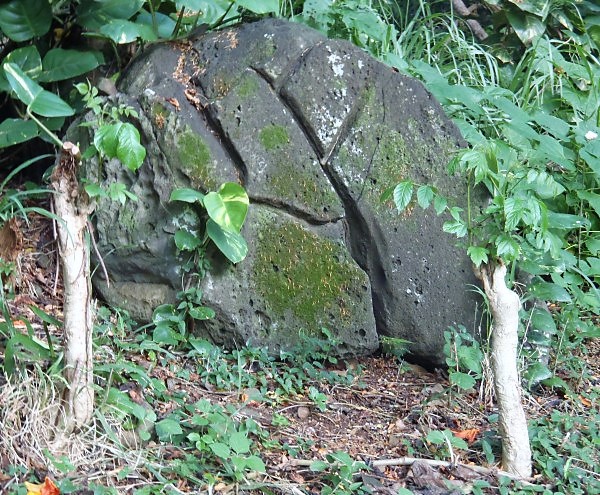
Photo shows a stone with petroglyphs from Ulupō Heiau in Kailua, Hawai’i from 2011.

The inward outward journey

Most people have heard the expression “doing an inner journey”, but what does that really mean? First we travel inwards. This simply means focusing on what your inner world is about – your thoughts, your emotions, your memories and their meaning, your ideas, and your dreams. What we dream at night, is often our subconscious trying to process our impressions of the day, but also sometimes telling us things that needs to be brought to the surface for us to deal with. Perhaps a fear, a problem, we’ve tried to hide underneath the proverbial rug, or even a message from the spirit world. It’s said that our souls come lose during our sleep, and can meet with others, in our collective consciousness and from there carry with it information and inspiration. These things, can be realized, when we do an inward journey, such as through meditation and/or journaling.

What’s not so often talked about though, is the outward journey. We talk with others the same way we usually do. Sometimes, we even talk about the same things, and in the same way, regardless of who we are talking to, where, and when. That usually means we’re stuck in a thought pattern or dealing with an upset, or even assumed that we are, others expecting us to be and communicate a certain way, not at all congruent with our current state of mind and heart. However, looking inward before expressing ourselves, can enable a true blossoming. When we take what we’ve found within, and share it consciously, a door opens to new discoveries and a more deep understanding of both ourselves, others, and our world. And to dare share this, is where we mold ourselves into a constant evolving being. We can try our findings with others, which either makes us solidify our own insights, or let us develop them further, with others’ input. To dare take in others’ perspectives, as well as to dare share our own, from within our authentic self, is what enables a true exchange, free from pretences. And through this, we set ourselves free and can expand.

What are your true gems? What’s an inner longing or need you have? What’s an insight you’ve made about something you’ve been pondering about? What happens when you speak this out loud with people you can trust showing you respect?