Balancing time

Happy Spring Equinox! This year, these posts are mainly dedicated for a common celebration of the date it publishes, or one we create, with themes for wellness, creativity and life coaching. And today, it’s spring equinox – a day when our daylight in the northern hemisphere have increased so much, that day and night are equally long – a day with perfect balance between light and dark. From here on, the daylight will continue to increase until the summer solstice, which is the longest day of the year with only a couple of hours of darkness. But right now, the earth is in perfect balance with the sun. How is your balance in life when it comes to your waking hours, and hours asleep for starters? 

There are two ways to look at these shifts. Either you want to live as close to nature as possible and therefor maybe rise earlier with the sun as the spring turns into summer and sleep more and longer in the winter. While this can feel more energetic and lifegiving, it can also create stress for our bodies. So, another way to look at these shifts of daylight, is to strive for balance all year around instead. I’ve had the blessing and the fortune to live both in Hawaii for three years and in Portugal for one year, where the hours of daylight are almost 12 hours consistent during the whole year, which made wonders both for my physical health and for my mood. Everything felt more stable. If this is true for you too, you might benefit from looking into how you can create this in your home, such as to get blinders in the summertime that makes your room darker, and to get a lamp that uses natural light to wake you up in the wintertime. What do you prefer?
The next step to create balance with our time, is to see where and how we spend it.

In life coaching, it’s important to build habits and structures that support life balance in our different areas. To better see what you might need more of, or less of, you can draw a circle and divide it into eight pieces like a pie. Each piece represents an area, where you can coach yourself with clarifying questions, or together with a life coach. Take out your planner, or journal, and look into how much time you spend on each piece. These eight common areas of our life are:

  1. Health – What are your physical needs of sleep and diet, like supplements?
  2. Home – How do you live and where? Are you taking care of it regularly?
  3. Work or study – What do you do for a living, or like to do?
  4. Socializing with friends – Who do you spend time with and when?
  5. Romantic relationship – What can you nurture here?
  6. Fun and recreation – What makes you feel relaxed and refreshed?
  7. Money – How are your spending habits?
  8. Personal growth – What can you learn more of? Are you practicing faith?

Then, rate each area for how much you have of it, and see how full your circle becomes and what is missing. How much time and energy are you spending on each area? Are you satisfied? What can you do to improve each area? And what can you do to balance these up with flexibility? Can you make a more defined schedule perhaps? Finding life balance is never a constant and might differ both depending on which phase of our life we are in, and what we currently need and focus on. The key, is to be awake and aware of how we feel so we can set appropriate boundaries that support each area to be seen, heard and integrated with equal importance in our lives. You can look at it daily, weekly, monthly and yearly. If you have spent a lot of time and energy on your job and worked overtime, it’s no wonder if you need to take some time off after your project is done. 
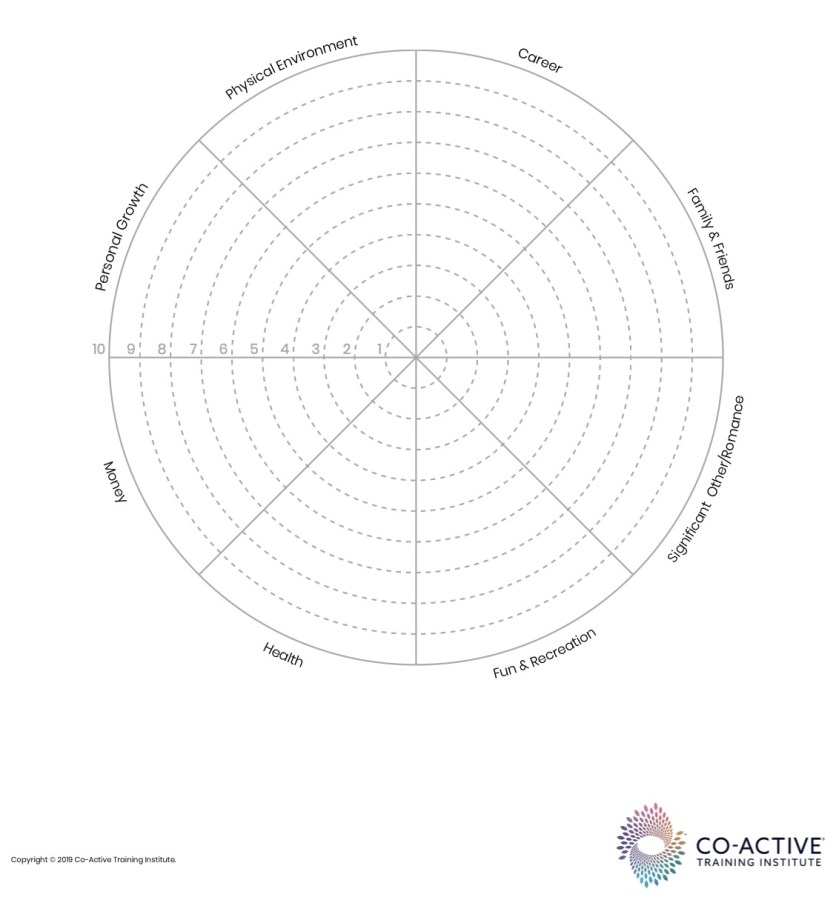
All these pieces aren’t only about time for our physical and emotional needs but can also support one another. When we refill our cups with rest and romance, it becomes easier to do a better job and manage our home and finances. Likewise, when we get time to focus on developing new skills and reflect on our lives, we get something to talk about with our friends, which enliven us and can make us feel more motivated and inspired. The point is, each area affects another. You can even draw an arrow around the circle to see how one can lead to the other, both for better and for worse! With too little sleep and no fun and recreation, you will ultimately do worse on the job and have more conflicts in your relationship. To tend to your life balance, is to take good care of yourself, so you can care about others and earth too.

To listen to this blogpost as a podcast, find The Source Podcast on YouTube, Apple or Spotify.
What is endangered in your life?

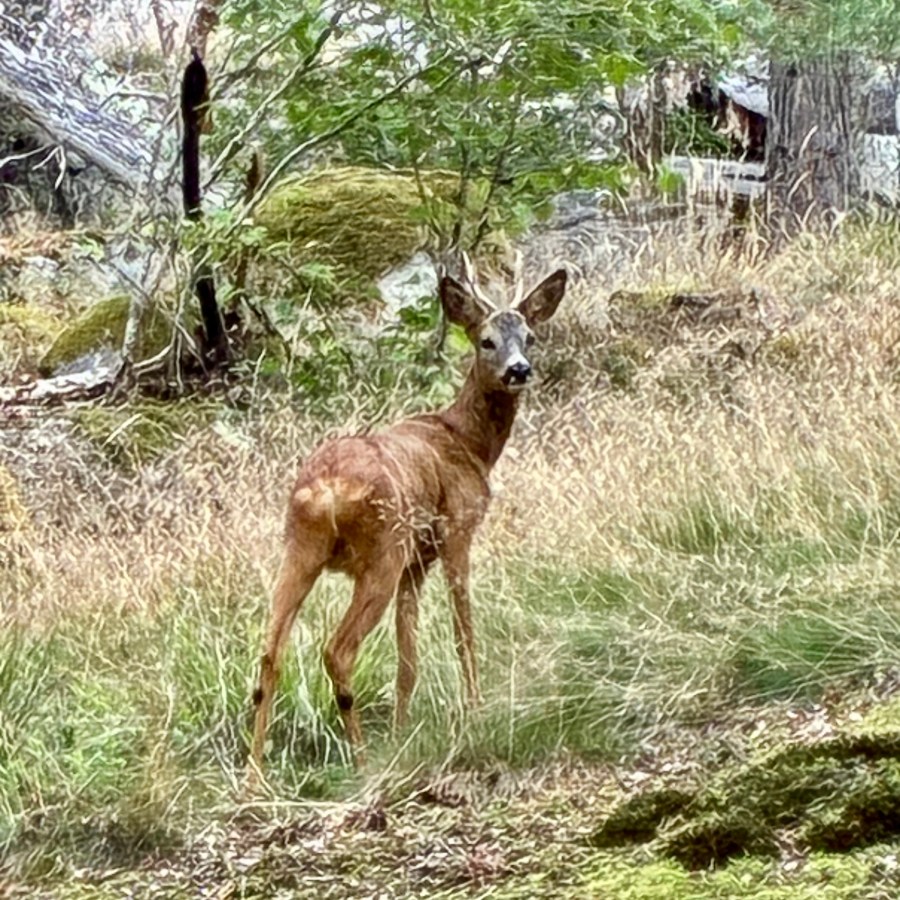
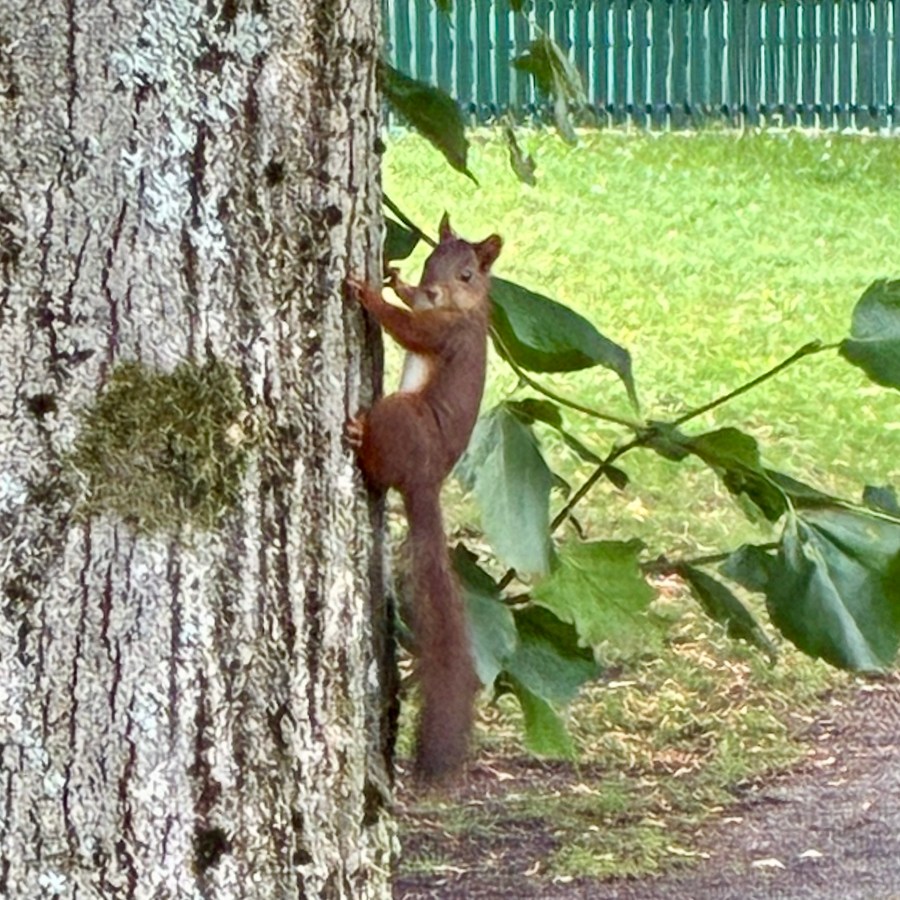
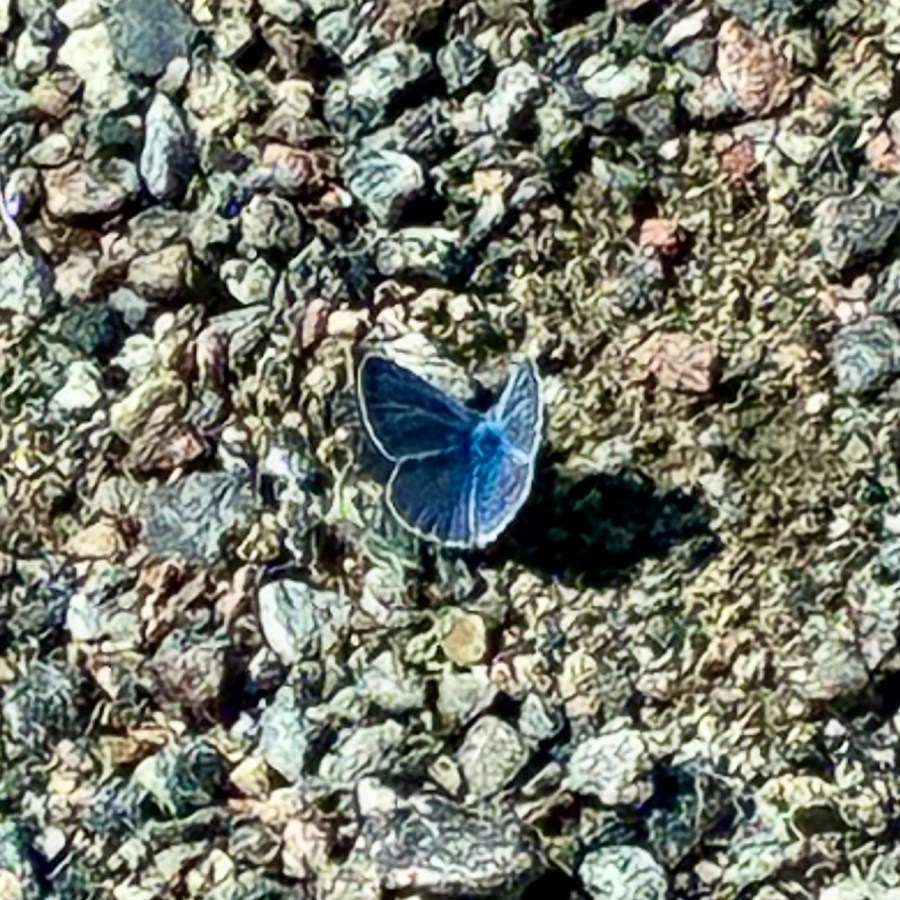
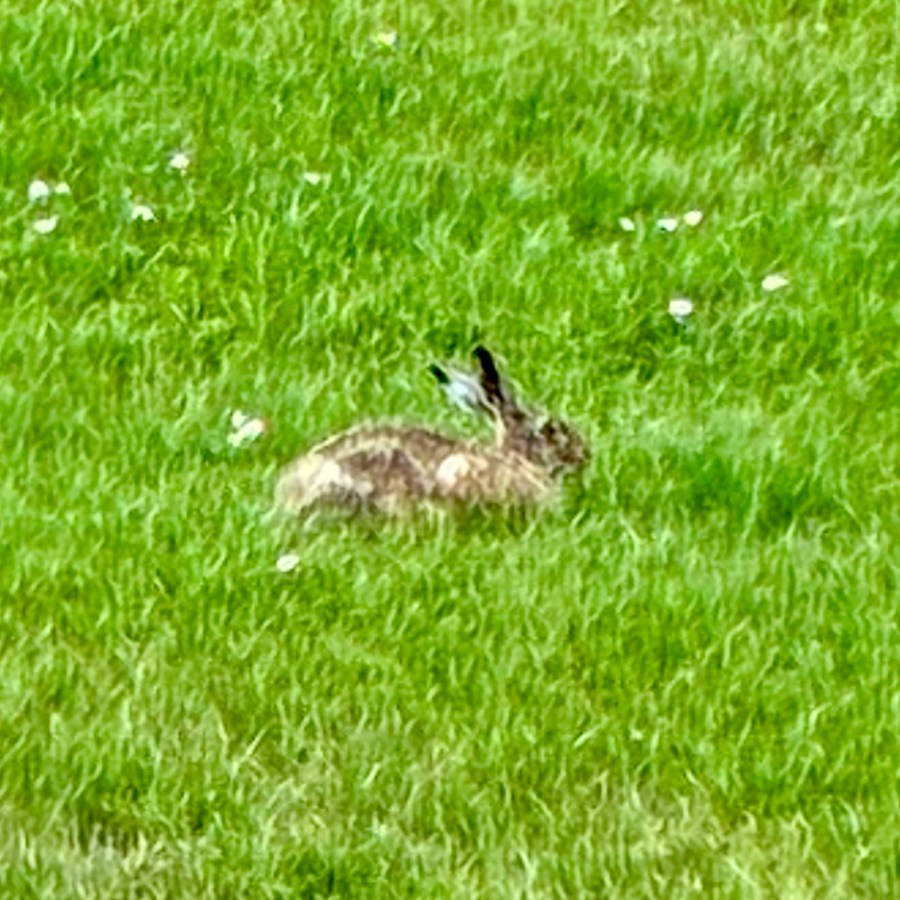
Happy World Wildlife Day!  We’ve just entered March and that means we’re slowly putting winter behind us, get more daylight in the northern hemisphere and entered the season of spring, and the natural element of wood, according to Chinese Medicine. Hopefully, this means that we’ll be able to see new sprouts, fresh vegetation and little flowers, bestowing us with their beauty. The birds will be singing a little louder and more, and we might get another storm, with lots of wind, necessary to blow away the winter. Luckily, I live across the street from a protected area of forest in Stockholm, Sweden, where I get to experience this firsthand, as well as encounter wild animals on a regular basis. I’ve seen beautiful butterflies swirling during summer, heard the woodpecker peck on trees, seen wild bunnies eat grass, squirrels collecting seeds, and on occasion even met various deer. Which are the animals, trees and flowers you see, where you live, throughout the year?

I’ve always been inclined to feel fascinated by wildlife. In fact, my very first word that I uttered was tiger in Swedish, – tiger – when I was a little girl travelling with my parents to India and Bangladesh. It was also there I pulled something that I thought was exciting sitting in a backpack of my dad… which turned out to be a giant Anaconda! Not surprisingly, my mother screamed and they quickly hurried away from the tree, where it had laid itself to rest on a branch. A snake that big, can pull up a toddler and squeeze it to death! Nonetheless, I still enjoy meeting animals in the wild.

When I lived in Hawaii for a couple of years, studying Organizational Change and learning to dance Hula, I became more aware of both endangered and endemic species and the importance of ocean health. I got to see the awake volcano on Big Island. Walking on lava is a sight I’ll never forget! Endemic, means that a species only can be found in that particular place. And endangered, means that it’s close to extinction, whether by natural causes, by changes in the environment or due to too much hunting by humans. 

Being aware of, and in tune with, wildlife, brings a better understanding of our own place in the eco-system. When we realize how we too are part of nature, wherever we live, it becomes easier to feel a sense of belonging and a sense of oneness with nature. I think, if by simply acknowledging how alive everything is in nature, it invigorates me and reminds me of my place in the eco-system and how much predator I want to be, as well as always being aware of that there are predators of much greater threat than I am. To know this within, is to recognize a power greater than us, which gives us a more humble perspective on life.

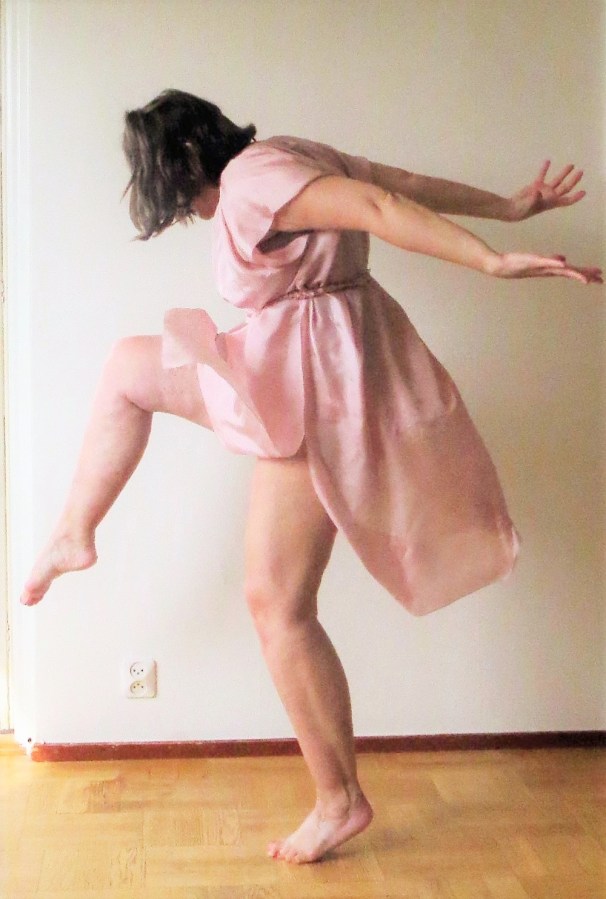
If we want to look at this as a life coaching theme, you can ask: What is endangered in your life? What is rare that you might have stopped doing without even noticing, because of time constraints or becoming too occupied with other things? Is that something you can take up and do again? Believe it or not, but dancing, almost became endangered in my life when I focused on making a career in copywriting in advertising in my late twenties and already had to accept that my knee injury both physically and emotionally impaired me from seeking a dance career. So, I stopped altogether for several years, except for occasional clubbing, which in turn brought me to long for more beats, which became drumbeats and taking up West African dance. Which I’m so glad I did, because dancing really brings me joy. It’s way too easy to become complacent and settle for mundane routines so much that we forget what really makes us feel happy and joyful! What is that for you?

Another question is: What would make you feel wilder? One of the founding mothers of Modern dance – Isadora Duncan – once has famously said: “You were once wild, don’t let them tame you.” By this, we can understand that there is a freedom in nature, especially when it’s undisturbed by humans, that we too belong to, and can feel and experience. We can look at the butterflies for example and let them inspire our dancing. We can bring with us our own memories of nature as inner images to soothe our souls and use in her choreographies. It probably is why Isadora preferred to be naked underneath her silk tunic and why she so eloquently understood and taught motions with a soft flow and light jumps, bringing joy. The same is true for Hawaiian Hula dance, where each hand motion corresponds to a description in the song’s lyrics often talking about a specific place or used as a metaphor for a relationship with their flower garlands. In yoga, some of the asanas are inspired by animals. And in qigong, many of the motions are meant to balance ourselves through our connection with the natural flow of energy, including that in nature. While it might be too cold to practice outside in March, you can still go outside and have a look with more presence and awareness next time you go for a walk. Are there any buds on the trees? When does the grass grow again? How is the season where you live? Realizing my identity as a being of nature and caring about it, is what brought me to change my name to Telluselle and to make it into a brand. If you want to support nature financially, I recommend checking out World Wildlife Fund, the WWF, which does a great job on a global scale. 

Get into the wild!

To listen to this blogpost as a podcast, find The Source Podcast on Apple, Spotify and YouTube.

A message of hope

This past weekend, while I was trekking through piles of snow in the forest, across the street from where I live, Mother Earth whispered a message to me. Lately, I’ve discovered that all trees, although bare of leaves for the most part, during winter, keeps at least one leaf hanging. Go outside and look! Have you noticed? Why is this? Is it to be able to identify, which kind of tree it is?

It’s a message of hope! A nature’s way of showing that there will be life next year too, that the tree will get new leaves, when spring comes. Having one leaf hanging left, can also be seen as the perfect example of yin and yang, where there is always a little of each in both, both in constant motion.