Time to play

Happy International Day of Play! We’re encouraged by the Bible to be like little children, but that doesn’t mean to whine and not take responsibility. It means to approach the world with awe and wonder.

We’ve now entered the season of summer and the element of fire, according to Chinese Medicine. The element of fire is something I associate with passion; to live with passion. To live fully, and to enjoy life more. But how do we find our passion?

There are two things that can be clues in our search for our passion: What is a cause you feel deeply for? And what did you like doing as a child? When we incorporate these two things, or at least one of them into our daily strife, we can begin to thrive. A cause can be things like care about the environment, justice, equality, rights or a specific question or topic like immigration. Caring about a cause with full intent, means to not only pay to a charity, but to actively make it your purpose. It starts with defining your most important values and see how you can work to fulfill these. For example, if you’re someone with concerns about the environment, you can rule out businesses, products and people who don’t align, as much as you can, whether when you choose what to buy and from whom, or when you apply for jobs. 

When it comes to treasuring and reviving our childhood fun, it can become our motivation and reward at the same time, to do something similar as a grown up. If your most fun thing to do was sports or something creative, you might not be able to work fulltime all your life with that. But you can keep enjoying it as a hobby after work. When you do, this will bring you joy naturally, make you feel like you have something to look forward to and something that is your most precious activity grounding you in your own authenticity. It can even become your true source of happiness. Dance is that to me. While I also like writing and have worked professionally as one, writing to me has more to do with expressing myself, to process things I’ve been through and to communicate and sell knowledge I hope others can benefit from. Dance on the other hand, is simply fun! It gives me a good workout, lets me move my body to music in ways that reflect my current state of mind and mood, just as much as I can put that aside and just focus on dancing. To you, it might be something completely different! And it can be several things, like what you enjoyed reading and playing, either alone or with friends, or a dream you had of becoming when you grew up. Choosing to take up something of this again, will for sure enliven you!

Then there’s the way of the child, our inner child, that can be a way to look at and approach the world. This is a practice. It’s a deliberate approach we take, when we go out for a walk sometimes and let ourselves become amazed by little things like the shape of an oak-leaf, pick up a stone that glimmers in the sun or get lost inside of a really good book, fantasizing we would be part of it. We can play dress up and take on a character for a day or at a local bar. This is especially fun to surprise others with who are used to your normal style and lets you feel like a star for a night. Taking care of our inner child, of course, isn’t only about play and fun and passion, but to care for ourselves the way a good parent would and tending to our needs properly. But, for today, we’re focusing on play!

So today, or the coming weekend perhaps, do something fun with your own children, the children of your relatives or just watch some play for a while. What’s a current game that’s in fashion? Which games did you play when you grew up? Play it again or re-read that favorite book of yours. Watch a movie that makes you laugh or simply allow yourself to marvel at the little things.

To listen to this blogpost as a podcast, find The Source Podcast on Spotify, Apple or YouTube.

Connecting waters

Happy World Oceans’ Day! There is nothing as so soothing and scary as the waves of the ocean. They can calm us down with their soft sound, and they can swallow us whole.

The big blue body of water has enthralled humans for centuries. Both Hawaiians and Vikings have canoed across the oceans, while the Spanish and Portuguese wayfarers have built bridges through their discoveries of new land. And of course, since our human bodies are made of approximately 60% of water, this our most essential element, besides oxygen through the air we breathe, is necessary for our survival. So, let’s start with our water intake: How much water do you drink every day and is it enough? I like mine filtered and try to drink more than half a gallon every day, depending on what else I drink in terms of fruit juices and herbal teas, and whether I worked out or not. That means two liters is my goal. And since I take medicine that is dehydrating, I ensure to add some electrolytes a couple of times per week. 

All continents on Earth are connected through the oceans and the seas and sounds. At least theoretically, this means, that one drop of water, could have travelled around the world before it reached you! 

The ocean is always in motion. Whether with small undercurrents or through stormy seas, you can be sure there’s always going to be motion. This in turn enables a thriving world underneath the surface, where corals and fish develop their own habitat. All now more vulnerable through the impact of us humans littering and spilling various type of waste. Why does some people do that? Would you want trash to be piled up in your bathtub? Luckily, more and more people also become more aware, so let’s increase our care together, to keep it clean. 

Since I almost drowned as a little girl, and both my parents don’t like swimming (and my mother couldn’t at all), I have had a great fear of water for most of my life. I still have a problem to be in the vast open, or even in the middle of pool, where I easily can become panicked. But… I have also practiced and overcome some! I managed to put my head under water for the first time as an adult in 2015, when I was on a vacation in Estoril, Portugal. I dipped myself both in the pool where the spa was, I had gone to, and in the ocean. The liberating sense of victory afterwards was priceless and became joy several times, years later when I returned to Portugal. Little, by little, I became more used to being by the ocean, picking seashells, or just noticing how the tide had changed. I even got to see dolphins a couple of times from a far. It was in one of these afternoons, in Estoril, that I saw a couple of sardines swimming around my legs and when immersing myself fully, I almost felt weightless, like I was completely one with the ocean! Have you ever experienced that? What if, we decided to see the water as our conductor of connection, between all of us humans and all life? Even if we have separate bodies, we’re still pretty much made the same. I like to remind us of, that we should focus on what we have in common instead of what always sets us apart. Whether that is something we both like, or dislike, or a place we both have visited or lived in, we can always find something in common. The sooner we do this jointly, the sooner our fears of the other will lessen in favor of curiosity and willingness to become good neighbors instead. So, like the oceans: What do you have in common with the next person you meet?

Understanding the importance of the oceans, is something I became more aware of when I lived in Hawai’i. I’ll never forget that time when I was taking a private Hula class at the premises of University of Hawaii in an old classroom and saw a map hanging down by the blackboard. It didn’t show Europe at all and almost nothing of neither Asia, nor US mainland except for the Westcoast, but the island chain in the center of the map with lots and lots of ocean around it. It was then and there in 2005, I finally began to grasp how I had gotten to see the other side of the globe, literally. It changed my whole perspective, not only geographically speaking, but also culturally. 

If you had the opportunity to travel anywhere, where would you go? Take a minute and allow yourself to look it up online and let yourself imagine how it would be like. Which ocean would you have to cross? And how would you look at your current country from that perspective?

To listen to this blogpost as a podcast, find The Source Podcast on Spotify, Apple or YouTube. Photo from Portugal 2020.

Living life in portions

I’ve realised again, that when I have several things to do the same day, they all tend to flow better, whereas when I have one thing to focus on, I tend to procrastinate more and become more exhausted. Perhaps it’s a matter of not having to concentrate so much on one thing, or the variation of doing different things, makes it more stimulating and inspiring.

When we can decide over our own time, we can choose what to do and when, as well as be flexible about which day, we can do what. This isn’t as possible with commitments to others of course, unless we take charge of when, in those instances too. Taking deliberate breaks and doing something else helps, where scrolling on social media can be a break if it’s time constrained and not too engaging. We all need down-time and that isn’t possible when others crave our attention all the time, whether online or in life. Watching TV instead for an hour and a half, suddenly feels like the best luxury. Imagine that, when it used to be what we “doom-scrolled” on.

Another way to create portions of each project, is to set a limit for how much we’re doing every day. When I wrote on my thesis, for example, I made sure to not write more than a part of a chapter, or one chapter, my planned days to work on it, to ensure my quality wouldn’t become lower with the pure extent of it all. Likewise, I made sure to finish what I intended, regardless of at which time of day I did it. Dealing with constant interferences made it tougher, but nonetheless with perseverance, I pulled it through. And because of these outer interferences, I haven’t been able to stick to a pre-set schedule for many years, so to me, it’s been a matter of waiting for a time with less, to do more then. Often, our stress becomes less, when we do what we set out to do, and have our own little rituals before the end of the day, even if this takes a little longer. Eliminating stress before bedtime, obviously makes it easier and faster to fall asleep too.

Deciding to divide our activities into portions, enable us to economise our energy, which makes it more fun and rewarding when we continue our undertakings. How does your days or weeks look like?

Balancing time

Happy Spring Equinox! This year, these posts are mainly dedicated for a common celebration of the date it publishes, or one we create, with themes for wellness, creativity and life coaching. And today, it’s spring equinox – a day when our daylight in the northern hemisphere have increased so much, that day and night are equally long – a day with perfect balance between light and dark. From here on, the daylight will continue to increase until the summer solstice, which is the longest day of the year with only a couple of hours of darkness. But right now, the earth is in perfect balance with the sun. How is your balance in life when it comes to your waking hours, and hours asleep for starters? 

There are two ways to look at these shifts. Either you want to live as close to nature as possible and therefor maybe rise earlier with the sun as the spring turns into summer and sleep more and longer in the winter. While this can feel more energetic and lifegiving, it can also create stress for our bodies. So, another way to look at these shifts of daylight, is to strive for balance all year around instead. I’ve had the blessing and the fortune to live both in Hawaii for three years and in Portugal for one year, where the hours of daylight are almost 12 hours consistent during the whole year, which made wonders both for my physical health and for my mood. Everything felt more stable. If this is true for you too, you might benefit from looking into how you can create this in your home, such as to get blinders in the summertime that makes your room darker, and to get a lamp that uses natural light to wake you up in the wintertime. What do you prefer?

The next step to create balance with our time, is to see where and how we spend it.

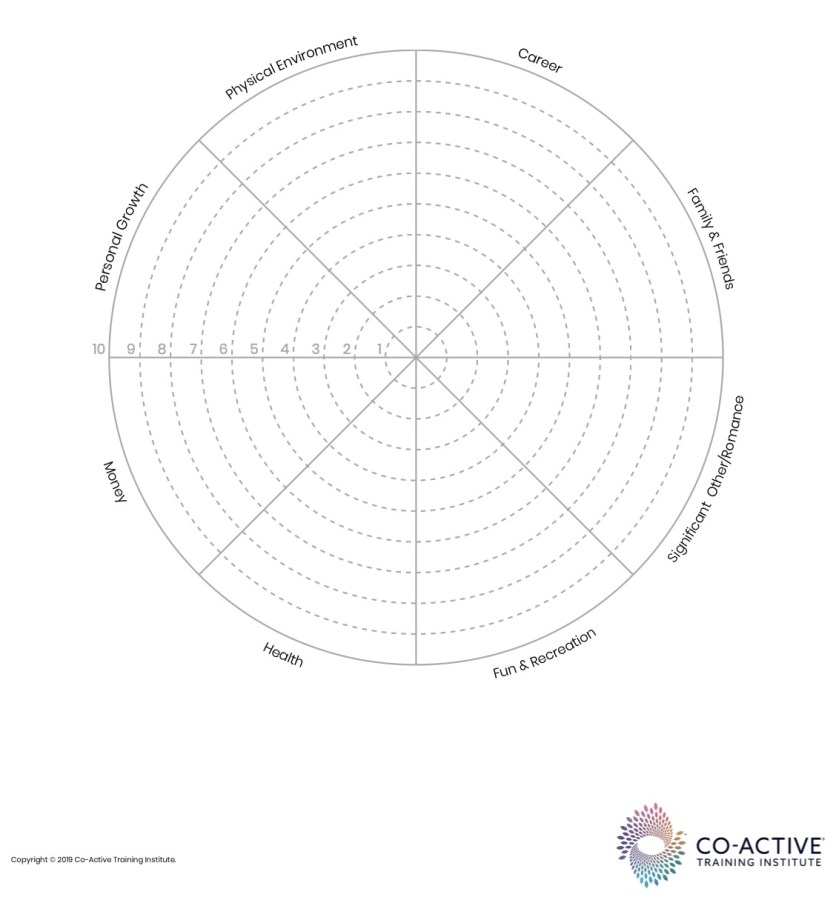
In life coaching, it’s important to build habits and structures that support life balance in our different areas. To better see what you might need more of, or less of, you can draw a circle and divide it into eight pieces like a pie. Each piece represents an area, where you can coach yourself with clarifying questions, or together with a life coach. Take out your planner, or journal, and look into how much time you spend on each piece. These eight common areas of our life are:

  1. Health – What are your physical needs of sleep and diet, like supplements?
  2. Home – How do you live and where? Are you taking care of it regularly?
  3. Work or study – What do you do for a living, or like to do?
  4. Socializing with friends – Who do you spend time with and when?
  5. Romantic relationship – What can you nurture here?
  6. Fun and recreation – What makes you feel relaxed and refreshed?
  7. Money – How are your spending habits?
  8. Personal growth – What can you learn more of? Are you practicing faith?

Then, rate each area for how much you have of it, and see how full your circle becomes and what is missing. How much time and energy are you spending on each area? Are you satisfied? What can you do to improve each area? And what can you do to balance these up with flexibility? Can you make a more defined schedule perhaps? Finding life balance is never a constant and might differ both depending on which phase of our life we are in, and what we currently need and focus on. The key, is to be awake and aware of how we feel so we can set appropriate boundaries that support each area to be seen, heard and integrated with equal importance in our lives. You can look at it daily, weekly, monthly and yearly. If you have spent a lot of time and energy on your job and worked overtime, it’s no wonder if you need to take some time off after your project is done. 

All these pieces aren’t only about time for our physical and emotional needs but can also support one another. When we refill our cups with rest and romance, it becomes easier to do a better job and manage our home and finances. Likewise, when we get time to focus on developing new skills and reflect on our lives, we get something to talk about with our friends, which enliven us and can make us feel more motivated and inspired. The point is, each area affects another. You can even draw an arrow around the circle to see how one can lead to the other, both for better and for worse! With too little sleep and no fun and recreation, you will ultimately do worse on the job and have more conflicts in your relationship. To tend to your life balance, is to take good care of yourself, so you can care about others and earth too.

To listen to this blogpost as a podcast, find The Source Podcast on YouTube, Apple or Spotify.

Which level of attraction is more important to you?

Happy Valentine’s Day! Whether you’re in a long relationship, a new one, or single, today’s is a good reminder to focus on love and what it stands for, for you. You can do this by inquiring yourself about what worked and what didn’t work in your previous relationships. Do you see a pattern? Is there something in your own approach or being that you can change to not attract the same if it’s nothing you want? It’s very common to settle for less and just be with someone out of our wish to belong and be accepted in societal norms, but this can be our egos talking more than actual love. More specifically, what is it that you think is important for a good relationship to be loving and satisfying?

I have during my own life concluded that we can attract people on various levels, that actually matches our different chakras. It’s through these energy centers we blend, attract or repel each other. Then, it’s up to us which levels we want or prefer and prioritize to build with and commit to, if we aren’t matching on all of them. We rarely are. Or we are at first and then grow apart perhaps. Add to this the subtle, or not so subtle, differences between cultures and countries, languages and generations – no wonder love can be so complicated! 

How we become attracted and match another, depend on our situation and where and how we meet. But generally speaking, I’ve found that it’s on our four levels of physical, intellectual, emotional and spiritual, that we either connect and develop our relationship, or have different types of relationships for the various levels, depending on what we’re seeking and what we’re focusing on. 

The physical level – is all about chemistry, that pull, that takes you almost through a screen or photo, or better yet, an exciting energy that flows between us when we meet. A yearning to touch and be touched. A level where our looks and charisma matter the most, and where our main goal is to have good sex. 

The intellectual level – is all about two minds connecting and sharing ideas and ideals, such as when we meet someone we study or work with. It can be a creative partnership, a mutually complimentary relationship where both bring their own specialties into the mix to make something better. Here the main goal is to understand each other and to be understood.

The emotional level – is all about growing our hearts towards one another and be allowed and encouraged to express how we feel and why. To learn how we become affected by what the other says and does, and vice versa. And to become aware of what triggers us and what is anchored in a past experience that might filter and alter our perception and reaction, in need to be dealt with and healed. To make this relationship work, we must feel that we share an equal openness and vulnerability to not become fastened in positions of dominance and powerlessness. At the emotional level, our goal is to feel connected.

The spiritual level – is grounded in sharing our beliefs and faith. This doesn’t mean that we must belong to the same church or even religion, but if we are to morph into a healthy relationship on this level, we must at least share morals and values. That can be where we stand politically on various topics, as well as how we look at the world and other people. This is the level, where most dealbreakers are. It’s hard to grow together and work towards creating a mutually satisfying life, if we’re not agreeing about the fundamentals of how a good society should look like. The goal on this level, is to become joined under a higher power.

The most gratifying relationships are the ones where there’s a constant dynamic and flow, where each level corresponds and intertwines with the other person’s. However, we have many types of relationships and sometimes there is a relief in it only being an intellectual kind or perhaps a kind based in church and nothing else. The most important thing is to make it mutually matching so that neither person feels that he or she has to give in or suppress any of the four levels. Can you think of people in your life that you have right now, or have had, that fits on the physical, intellectual, emotional and spiritual levels? Is there someone fitting on more than one?

If you’d like to learn more about my own personal examples from both Sweden and Hawaii, you can find several in my first book. The first book is called “The Call for Divine Mothering – applying the keys to paradise” and is about my grieving journey after my mother had passed away and I decided to examine and explore love, which became both deeper and broader than I expected. In my third book “The Call for Divine Harmony – finding pearls of wisdom”, my journey took me to Germany and Portugal, where I reconnected with my inner child and found joy again. I also defined more examples of aspects and virtues that I think are important. Both books can be found on Amazon and Kindle. And if you’d like to listen to this blogpost as a podcast, you can do so on both Spotify and Apple.

Making choices from within

There is a sense of freedom in choosing. When we make a deliberate choice from within about something, we strengthen our own willpower and let ourselves be led by our own desires, dreams and needs, rather than succumbing to neither others’ imposed preferences, or any trends that we feel obligated to follow out of fear of missing out.

The first time I encountered this dilemma and helped someone to see where her decision came from, was when I was interviewing a group of applying Swedish High School students who wanted to become the next generation of exchange students with the organization ASSE in the early 1990’s. We who conducted these interviews had already been abroad for a year and belonged to a fraternity organization called IKU (International Culture Exchange in Swedish). It was our job to see if the people we interviewed would become a good fit for a year as an exchange student in the United States, based on our own experience, knowing what it required from us in terms of courage, willingness to learn, independence, curiosity, and a genuine interest in getting to know life abroad and live in an American host-family, while being student ambassadors of the Swedish culture.

One of the girls that I interviewed, was clearly insecure and vague when she answered my questions. Finally, she said that it was her parents’ idea to go, because they thought it would make her become more extroverted and mature, besides that it was seen as a popular thing to do to get ahead by improving our English. What she really wanted to do, was to apply to an Art School and pursue her music, which her parents didn’t think much of. So, I told them to be onboard with her, rather than the other way around. It’s too tough to be alone in a foreign country at the age of 17, to not really want to be. It wasn’t her own choice to apply. Hopefully my no, empowered her to stand with her own no. When are our decisions truly our own?

That’s when I understood that I could help coach others to make good decisions for themselves. It also brought to my awareness, how much influenced we are by our parents and peers, and later also co-workers and partners. After all, my mother had too been an exchange student and wanted me to follow suit. What made me do so, however,, wasn’t out of obedience to her, but my own desire to become more confident and become better at speaking English and thus more popular in my town – which I also became when I came back home. But it was a tough year, where I changed host-family and had to struggle to get into the language enough to speak it fluently. In my AP English class, I went from a grade C on some papers to a B+ during the course of the year and thanks to my teacher’s passion to help me (hence my dedication to her in my second book).

It’s harder to make choices, when we feel pressure from a government agency or other authority figure. It becomes a way of discipline and force, whether openly or covert, that robs us of both confidence, joy and will to succeed. Their imposed decisions seem made to exercise power rather than joint decision making with consideration of our needs and competence, it should be a way of the past. They if any, should learn how to become coaches.

A good question to ask yourself is this: If nobody would belittle you, impose guilt or try to coerce into doing something, what would you then choose?

Which will be your goals for 2026?

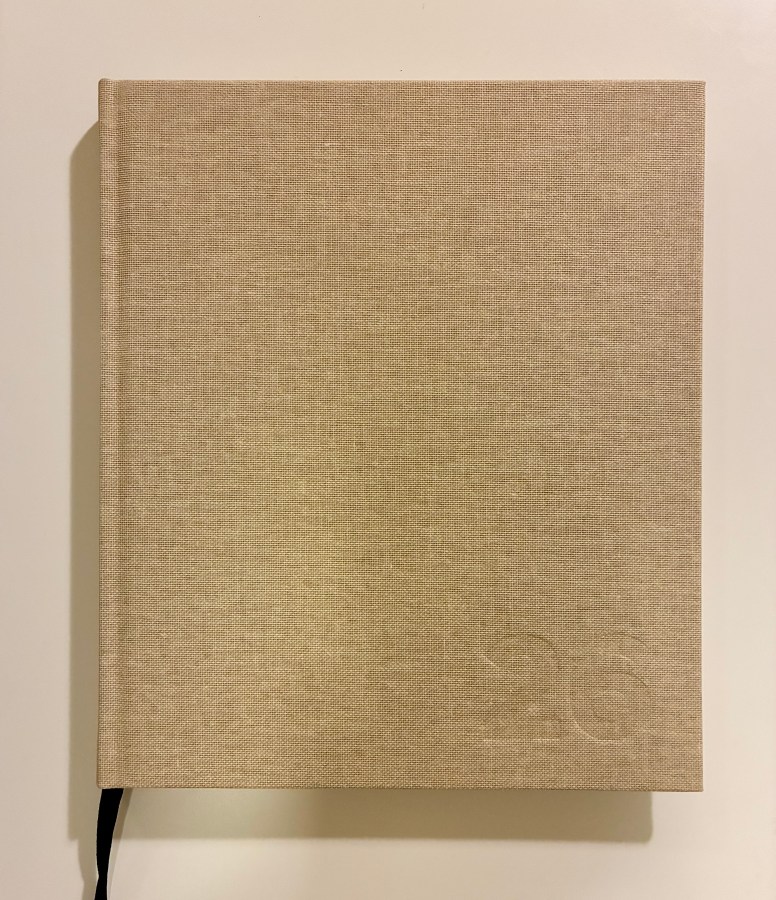
There is something refreshing about opening a new planner and see all the room available for new opportunities. While most of us simply continue what we’ve already started, it can also be a good time to start something new, or to change something, due to this psychological feeling of entering a new year. Either way, writing down your goals makes it easier to define which steps you need to take to reach them. An even more important thing to consider, is what you need in order to reach them. Often, we tend to write down lofty dreams or some might believe they should just become “manifested” and appear on their own. So, is usually not the case. To begin writing down your goals, you can start by visualising what it is you dream about. Then see what it is inside this dream that you actually can achieve, when, where, how and with whom. If your goal requires someone else to become fulfilled, you have to make the goal together with them, or it probably won’t. An easier way to understand this, is that you might dream about winning a million dollars in a lottery. That is nothing you can be sure to achieve. However, you can think of ways to make a million dollars, where buying a lottery ticket can be one of many action steps you take. Other steps would be to take a loan, to invest, to sell something, to work and save, and/or to inherit. Then the goal of making a million dollars becomes achievable.

Your goals can be set in various life areas such as:

Physically – how you treat your body

Intellectually – how you enrich your mind

Emotionally – how you handle your experiences

Spiritually – how you practice and pray

Environmentally – how you live and where

Financially – how you handle money and work

Socially – how you relate to others

Soulfully – how you express yourself with art

Now, go through which resources you need to have in order to reach these goals. See alternative routes, such as borrowing books at the library, or buy e-books, if your goal is to learn a new subject. You can arrange gatherings and potlucks at your place rather than go out at fancy restaurants to socialise cheaper, plan and prepare meals in advance to ensure a healthy diet, buy a membership card at the gym, buy new sneakers, look up more information, or the like. If you don’t have the resources, then getting resources will be your goal and your goal will become your reward!

Then of course, you can add a layer of sustainability and your connection to nature in all these, if you so like. To have nature in mind when you make decisions and strive towards your goals, whether that is to buy environmentally friendly products, learning more and study nature, practice outdoors or practices grounded in nature, such as qigong, Hawaiian Hula, 5 rhythms or Isadora Duncan dance. I used to meet with a friend once a week to go for a walk in nature together, which then enabled me to both socialise and catch up with her, as well as enjoying being in nature.

If you’d like a sounding board to create your goals and action-steps with, you can do so with a life coach like me. Simply email me at hannah@telluselleliving.com to book your first complimentary session to try!

And… here is my first podcast episode talking about this content!

Making a New Year’s resolution that works

Are you tired of trying to make promises and New Year’s resolutions that you can’t keep or not follow through on? Whether this is due to your own busyness, laziness or even forgetfulness, or due to others’ imposed conditions that you can’t do much about, I have a solution that you can hold onto. 

For several decades, I’ve instead of making a promise or a New Year’s resolution, opted for a specific word, theme or topic that represents a trait or something I’d like to improve or develop within myself. This thing is something I can work on regardless of any circumstances beyond my control or when changes forces me to alter my course. Some years, I’ve chosen traits like “integrity” or “softness”. This past year, I’ve focused on “articulating better” and “being more gentle”. This came about as a result after having had multiple teeth surgeries done for altogether three years and getting dental implants, prompting me to hide my mouth and hide my smile for just as long, until this year. And since I’ve often been told that I have a tendency to speak too fast, especially in my native tongue Swedish, getting dental implants provided me with an opportunity to try to improve this too. Being gentle, is part of my strive to embody more femininity in a cold and harsh world, such as when I brush my hair and the way I open and close doors, grab things etc.

Next year, I aim to set lower expectations and therethrough create less resistance with others, and instead focus on “hope”. Hope is a timeless asset and always needed, as well as referred to as the anchor for our soul in the Bible (Heb 6:18-20). Alas, something we always can hold onto.

Which theme or word will you focus on 2026?

Following through

This past year, I’ve had articulating better and being more gentle as my focus and theme for my personal growth. Since I used to work in advertising, I’ve been very self-conscious about posting any videos of me speaking, since normally any of my videos would be done in a studio with proper lighting and by a professional photographer, but since I don’t have the funds to access that, as well as have undergone dental surgery to get implants for several years, I haven’t been able to. Now this past year, I challenged myself to improve my speech by practicing in front of a camera again on my own. Here is the result:

In fact, I’ve also been known to talk too fast, which is one of the good things about speaking in your second language. It has naturally slowed me down. I also used to sing when I was younger, in choirs, so these coaching tip videos I’ve been posting on my social media, has been good for me to reclaim my voice, both literally and figuratively. One would think that in a country like Sweden, it wouldn’t be a problem to perform with talks and be featured in the press again about your books and cases, just like I have been my entire life up until 2014, but authorities then tried to stop me from selling my books through their misguided reports about me and my mental health, while forcing me out on the street. One would also think, it would be better for the state that I worked with my normal salary, paid taxes and paid off my student loan. Not being able to, together with heavy libel and unresolved stalking, is the foundation for my aim to move abroad.

We all have battles and we all can work on improving ourselves. Have you had a theme or word to focus on yourself for 2025? How did it go? I will share my next one for 2026, in a couple of weeks.

Ensuring balance

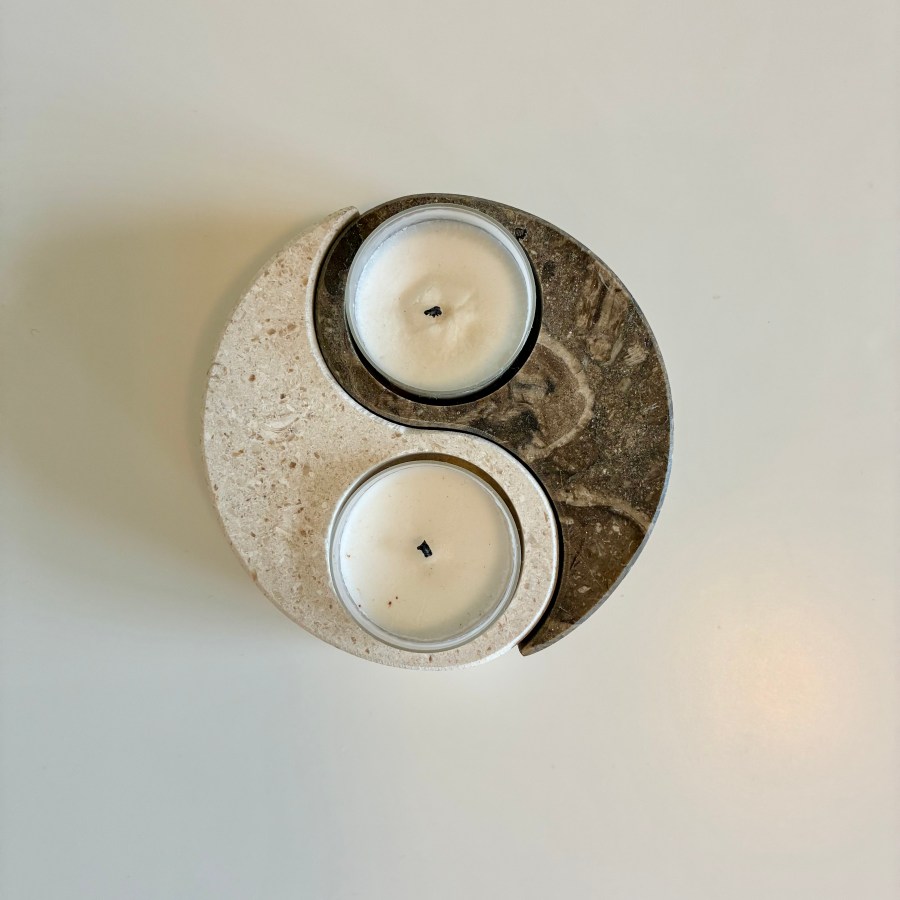
As we approach the fall equinox tomorrow here in the northern hemisphere, I feel inspired to write about balance. The fall equinox (and spring) is the time of year, when day and night are equally long, where there is perfect balance between light and dark, of yang and yin. What better opportunity then, to bring in some more balance to our lives?

To create more balance in your own life, think of how much time you spend doing certain things and see if you can compensate with the same amount for rest and sleep. While scrolling too much is never good, it can still be a way to relax and unwind after hours of intense study or writing, for example. Then there is of course tending to all our needs. Balancing alone time with time in good company with others is important, just like what you put on your plate and hydration. Having balance between giving and receiving, is the foundation for all health and relationships.

What if, this balance is the pre-cursor to creating more balance in your family and community too? In our cities and countries? Can we help each other to create more balance? To me, balance is fairness. When we treat others with fairness, we can see that justice becomes served and that everyone can receive equal opportunities, especially when it comes to take care of and meet their own needs. To not only be allowed to work, but be able to pursue the path we choose based on our actual ability and competence. And with this notion, comes the brutal truth of putting limits on immigration. Movement across borders becomes the precursor to more movement. Do all immigrants really need to migrate? Can we who do, be discerned among the masses? Or should we open all our borders to anyone and everyone? Would I have to migrate if I had a good job, made my own living, had my own home and family? If I could feel safe from authorities’ imposed suspicions of both my ability to work and my mental health, and yet assumed cheating? With little respect of both my physical safety and health, and emotional health? And if I can’t find that here in Sweden, who loses on me finding it elsewhere?

Balance is fairness. Fairness is justice. How about we all try to make life more fair?

Forming a habit

Have you ever felt a need in your body to do something more than out of reflex? I think, this is where the secret to forming a good habit lies. We set out to practice once a week for example, and then sometimes we can’t, or don’t want to, and we become upset as well as lose our practice. Then we try again to hopefully be able to stick to our new routine. And while this can become a positive and life-giving routine, we can lose touch with our bodies’ actual needs, whether that is to rest more, to be outdoors more, or to exercise more. If we don’t listen to this, our practice can become something negative rather than positive for us, which is why it’s so important to be flexible. But at a certain point, our practice becomes an inevitable need that our body craves and tells us.

By beginning practicing at home more, because of Covid, I’ve become more in tune with my body’s needs. One day, my back is feeling tight and that means I need to do yoga. If I feel cranky, shrinking inwardly and almost in a slump, it’s definitely time to dance more. If I feel overwhelmed with unwanted emotions and stress, I do qigong. This more fluid way of practicing, adapted to what we go through, can be an alternative, when we live in circumstances that prevent us from practicing on a regular schedule. Then our way of meeting these needs, can become the good habit that forms a good routine.

We live with lots of routines – whether that is in which order we get ready in the mornings such as whether we shower and get dressed, or eat breakfast, first. You’d be surprised how much difference that can make for your physical wellbeing as well as your emotional stress-level. The same thing for how we go through emails or what we do online and when. Setting our own boundaries can start with getting to know our own routines and habits. How do we do now and how is this working for us? What would we like to change, why, and to what? What is a must and what is your own preferred way?

If you’d like to have me as your sounding board for forming habits, I can coach you through zoom in Swedish or in English. Just send an email to hannah@telluselleliving.com to set an appointment. The first session is complimentary!

Setting our standards

A good way to enable boundary setting, is by looking at, and deciding, our own standards. A standard is a value that we live by, a level of what we think is good enough to let into our lives. This can be set in terms of what we acquire, the things we buy or eat, such as choosing organic when possible. And they can also be set in terms of what we allow ourselves and others to do or not to us or with us. These standards and their adjoining boundaries, then becomes our way to uphold integrity. They also say something about our taste and style; what we prefer and who we are.

Generally speaking in society, good standards can be to have access to fresh water, and to be able to heat up our apartments during winter. It can also be that most people have their own jobs and can afford their own living.

What setting standards boils down to, is what we find good or bad. It can be what we think of certain brands, or for example certain type of TV-shows or books. This is usually defined as culture vs pop-culture. When I grew up, it was important in our family to only consume good literature and what is deemed of high cultural value, such as real art. Of course though, this meant for me to excitingly explore some of the more commercialised sides and therethrough develop my own standards, and also to learn the difference between art and entertainment. This in turn becomes a standard for creativity. What is truly our own and authentically unique, is usually very artistic, whereas the more common, general, and mainstream, something is, the less creative it’s usually considered. A standard thus, is a matter of the quality that we strive for.

Which are your standards? Where do you draw the line for what you want to let into your life? And for what you let out? While this can be seen as setting high expectations, it can also omit what’s not good for us, and more distinctly help us to find our real tribe.

Understanding the spiral

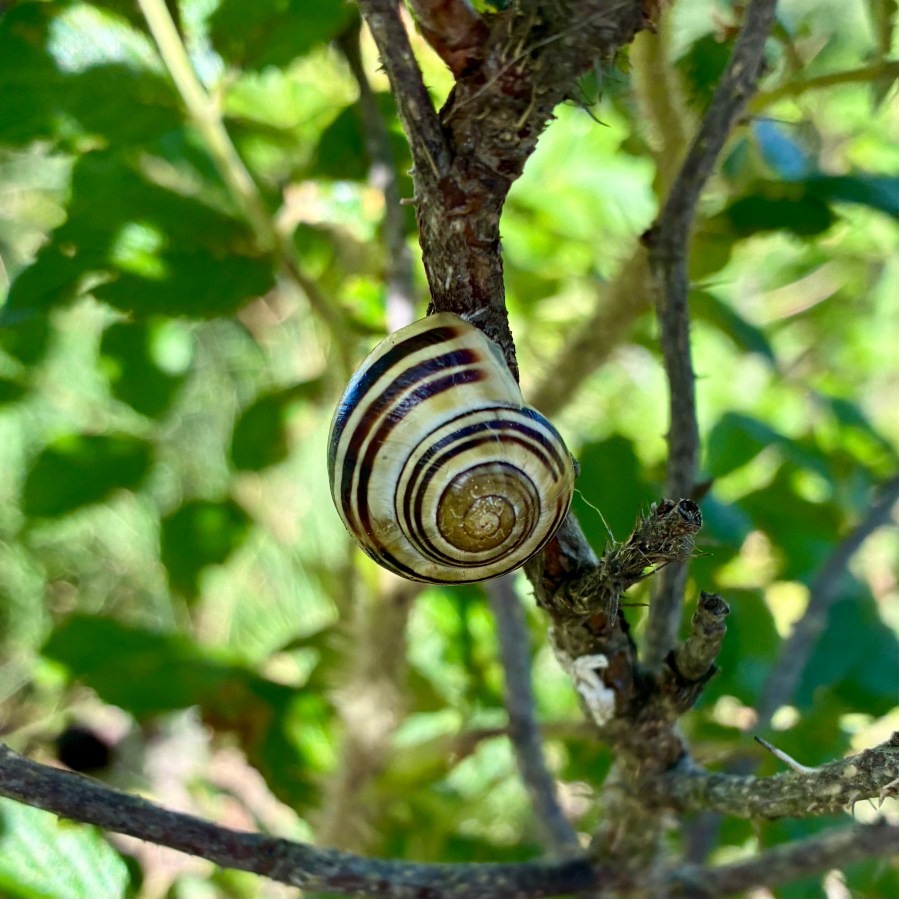
A couple of days ago, I passed by this cute little snail with its beautiful shell in the form of a spiral. It got me thinking of how brilliantly it can be used as a metaphor for life coaching and personal growth.

When we walk slow enough like a snail to be fully present in the moment, we can notice if we feel like we’re going around in circles. That can be things like, the same things happening again, we enter a relationship with someone similar showing up the same way, or we simply respond to a situation the same way we usually do. And get the same result. But, if you notice that resemblance in the moment, you can see it as a call to change. If you then change your choice, your response, or how it’s delivered, you’ve been able to raise a level and start a new circle, a positive spiral, and evolve.

Can you think of a relationship or situation that you would like to change? See if you can pinpoint the moment it tilts a certain direction, and think of the spiral.

Forgiveness through generations

When we take responsibility for our actions and communication, we feel empowered and can either solidify our stance, or change easier. This is especially important when it comes to conflict resolution. Through the Hawaiian Ho’oponopono prayer, we can use it either together with the person we’re in conflict with, or by ourselves, as well as including previous generations and wishes for the future generations, to be healed and find peace. Imagine what this world could look like, if we all practiced this!

We start by communicating what the harm is, that we feel we’ve been subjected to and why. Then we listen to the other, who may even have misunderstood us, or feel hurt him/herself. When both sides have shared their points of view, both can agree to ask one another for true forgiveness and move on. This was especially important in old Hawai’i, where everyone is dependent on everyone since they live on islands far away from any mainland. Ho’oponopono means making things right again; to return to integrity and love.

If it’s not possible to communicate and solve the matter directly with the other person, we can work on ourselves by recognizing any other situation, relationship, or event, where we’ve been the one causing similar harm to what we now experience. Then, we can ask for forgiveness for that time through prayer, and understand the current situation better. We can also ask for forgiveness in prayer regardless, not knowing exactly what the harm was another refers to, or experience, but with sincere intention. The prayer goes like this:

Divine Creator, Father, Mother, Child as One, if I, – insert your name -, or any of my ancestors, relatives or family members, have ever caused or inflicted any harm upon – insert the other’s name -, or any of your ancestors, relatives or family members, I’m deeply sorry. Please forgive me. Please transmute this situation into light. Thank you. I love you. Amen.

Then visualize sea green light wash through you, to clear this event in the past, in the present, and in the future.

One of the known Hawaiian practitioners to use this prayer, was Morrnah Nalamaku Simeona.

Setting a goal

One of the cornerstones of lifecoaching, is to set a goal and then make a plan to reach it, checking off your actions as you go. Setting a goal, isn’t something lofty, but a very precise process, that has a couple of components that are important for it to work.

Here are seven things to consider, when you set a goal, with an example. A goal has to be:

Specific – define exactly what you’d like to achieve, such as: “I’d like to lose weight.”

Measurable – define how much, or any other factor that you can measure, such as: “I’d like to lose 10 lbs.”

Attainable and Reasonable – state something as your goal, that you know you actually can reach. Don’t opt for wanting to lose 30 lbs in one week. That isn’t attainable and reasonable.

Time-bound – set a deadline for when you’d like to have reached your goal, such as: “I’d like to lose 10 lbs before June.”

Action-oriented – include something about how you intend to reach your goal, such as: “I’d like to lose 10 lbs by going for longer walks, three times per week, before June.”

Purposeful – stating why you’d like to reach your goal is important to make it feel purposeful, such as: “I’d like to lose 10 lbs, so that I’ll feel better about myself, get in better shape, and look better.”

What is a goal you’d like to reach?

A coaching exercise to define a goal

Sometimes reaching a goal can make us feel more unsatisfied than we start out, because what are we then now going to do and why? I felt like this, when I first became a copywriter. The year of study and practice was intense and I didn’t focus on what I was going to do after, only to get that diploma. At first, it made me feel happy and accomplished, but soon I realized I had reached a plateau. I had to set a new goal, that would become deciding my purpose. Once I got clear on that, it was smooth sailing for a while.

An example that most of us can relate to, is setting a goal to make a million dollars. What happens is, that we start deciding and counting in our head, what we would do with the money. But therethrough they already feel spent, and we need more. Was it then the million dollars we wanted, or was it what we wanted to buy for them?

What would you do with a million dollars? Let’s say, you would write a list stating things like: Buy a new car, invest in a home, go on a trip, and donate some to a charity.

Now, redefine these things to goals. Let’s say that you want a new car. If you don’t lock yourself to the outcome but instead explore how you could reach this goal, an interesting phenomena occurs: You start seeing a multitude of opportunities and begin to foster a mindset of abundance. You could for example start working at a car-dealer and get a discount, you could buy a lottery ticket, you could build your own, you could import one directly from another country cheaper, or you could inherit one. Or you could simply save a set amount every month, deducted from your salary.

The same technique applies to any goal you would like to reach. Let’s say you want to lose 30 lbs. Making that your goal, will have you stare at the scale and get a fluctuating mood just like your pounds. However, if you think of what you would like to achieve with that goal reached, you open up for more possibilities. Let’s say you want to wear a certain dress, or feel more confident. Then, that is what you should focus on. What can you then do to be able to wear that dress, or become more confident?

By ensuring that our goals are not the same as our means, they becomes easier to reach.

Make a wish!

Now that we’re approaching Christmas and New Year’s, it’s an opportune time to think of what we wish for ourselves (and for others). This exercise, will allow you to become more clear about what you want more of, and why.

Make a list! Write down everything you’d like to have, or get. Anything from things you’d like to buy, to having more abundance and love. Now, if you would make your case to the Universe about these items. How can you argue why you should receive them? What is it that you’re going to do with it and why do you want it? For example, if you’d like a new pair of glasses, you could state that it would enable you to see better and therethrough work better and serve others more with more proficiency. And almost like magic, when this is set with a pure intention, you tend to attract these things into your life a little easier, with a better price. Try it!

Making a wish list, can also help you see what you’d like to increase next year, to have as your personal theme and goal. What will be your focus for 2024?

Making the most of waiting

Today, marks the 1st of Advent, that we celebrate in Sweden as a countdown for Christmas. Traditionally, we light the first candle of four, and continue each Sunday, as a preparation for its arrival. It’s a time, when everyone pulls out their stars, or candleholders, and put them in their windows. Advent simply, means to acknowledge the wait. So, how can we use this as a metaphor for our own personal development too, according to wanting to live by season? Is there something you are waiting for in particular? What can you do meanwhile, instead of becoming frustrated?

Our waiting time, can be used as a time for preparation. Here are some things you can consider:

  • Get your physical needs met, by sleeping enough, eating better, resting up, and exercise
  • Organize your home and office
  • Sort through your e-mails
  • Update your online profiles, with your latest information
  • Go through your wardrobe
  • Cultivate a feeling of readiness; open yourself for new things or relationships
  • Save up some resources
  • Look up any information that might be needed
  • Do some research with other people, who have already done what you’ve set out to
  • Prepare a presentation, such as by writing a speech or making slides
  • Come up with ideas to reward yourself after, as well as what to do after

And most of all, enjoy your time!