Greet someone with Aloha!
Happy Lei Day! Today is May the 1st and the official first day of spring. The theme for this blogpost is Lei Day – the day when the art of making Hawaiian flower garlands, called Lei, is upheld.
You know the invigorating feeling of scenting a nice flower like the rose? Imagine wearing a garland made of a hundred of them! In Hawaii, it’s tradition to make lei of various flowers, leaves, shells and nuts and give away to someone you love, especially for their birthday, wedding, anniversary or graduation day. Funny enough, here in Sweden where I am from, we hang bouquets of flowers around a graduating student’s neck too, a little of the same.
When we give someone a lei, we give it with Aloha as a greeting and a wish for someone to have a good day and even life, as a blessing. Aloha is a word that can be translated into an acknowledgement that we all share the same breath, the same air, and therefor are united and interdependent, which should be respected and honored.
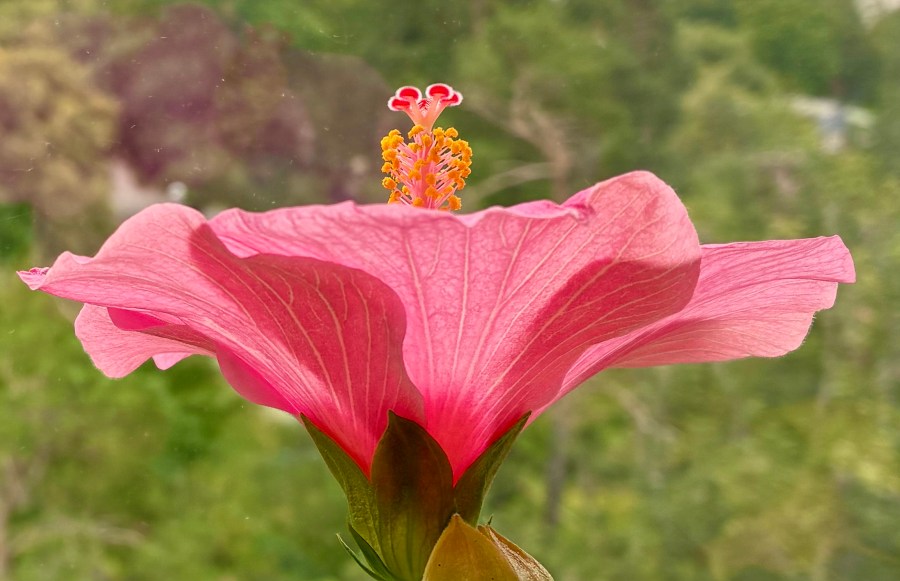
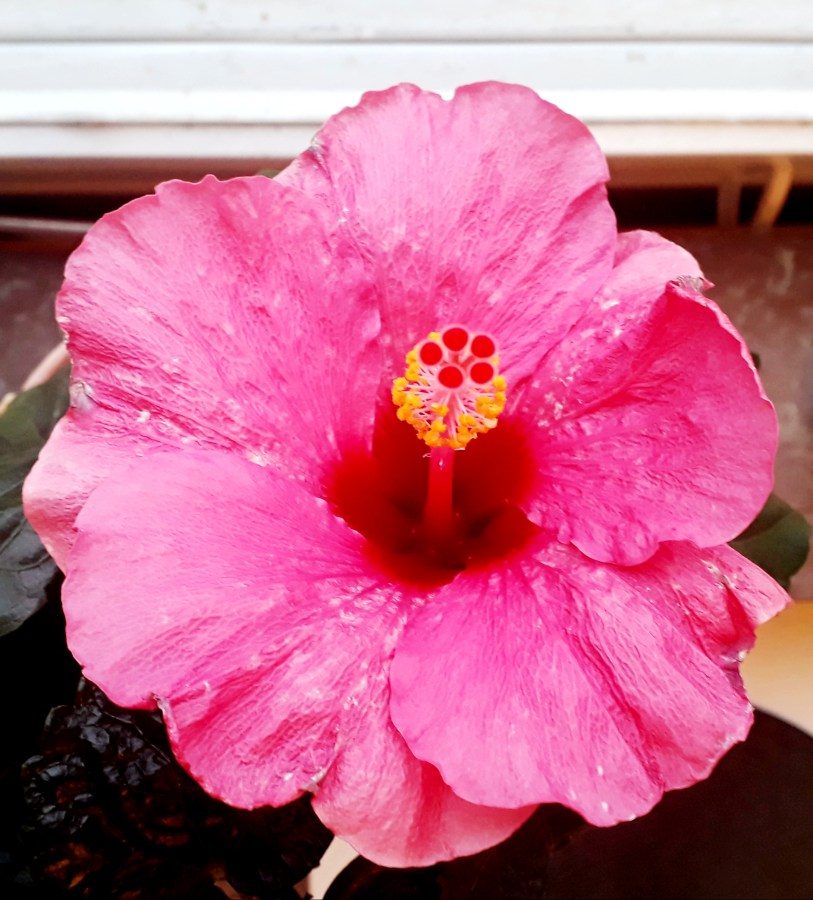
The lei in Hawaii, are made by hand through picking and cleansing a basket full of flowers or leaves that are taken apart into pieces. Then you use a long needle and plastic or sturdy thread, and pierce through the flower at the base and tie together. These lei are also used for dancing Hula and part of showing which island one is from or representing. Some flowers are endemic to a specific island, such as the Ohi’a Lehua tree with its bright red flowers, that only grows on Big Island and is the first thing to grow on lava. In Hawaiian mythology, picking these flowers are said to bring rain, which are considered the tears of the lovers ‘Ohi’a and Lehua, that the goddess Pele had transformed in one of her acts of rage and jealousy. The flower symbolic for the island of Oahu is the yellow Hibiscus. And all islands hold the Ti’leaf in high regard, used both for grass-skirts and as adornments along Maile flowers that often are worn open-ended in weddings, speeches and blessings symbolizing respect, friendship and love. To wear a lei open and not tied together is especially important for pregnant women, as it is said to be symbolic of the umbilical cord that is to remain open for the baby in the mother to be’s womb.
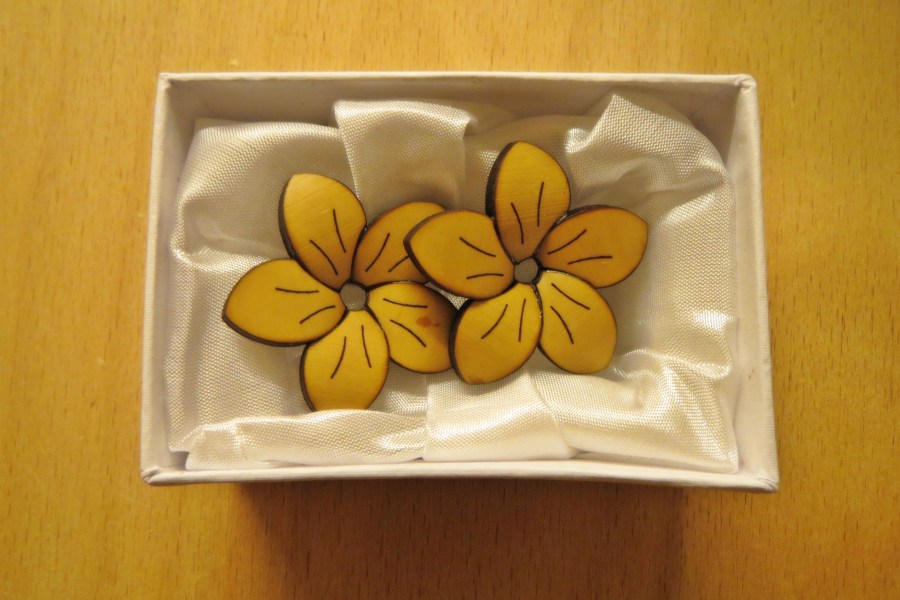
A flower more common, is the Plumeria, that also grows on trees and comes in colorful variations, both in Hawaii, Thailand, Indonesia and India. It’s this flower, that I hope to resemble when I find someone who can help me saw, cut or carve out its shape in bamboo rods, to make a sustainable lei. I came up with this design idea as an alternative to the many fake lei made of plastic that are sold outside of Hawaii. While some can be made of fabric, I think little ones made of bamboo, can be worn both by men and women, are light weight and durable.
The royal family and nobles sometimes wore leis made of feathers. They are rare and very expensive to make, but nonetheless an important tradition in Hawaii.
In songs, lei and flowers are often used to symbolize someone you love, together with a description of the place he or she is from or where they met. You can even think of each flower as a certain event in your relationship, to make it a lei of memories. Leis are made with love and given and received with love. This welcoming and blessing way is part of living Aloha, where loving-kindness and generosity of heart permeate the culture and the communities. It’s a way to relate to others and be helpful towards one another, remembering that on an island, one must! And, even planet Earth can be seen as one big island, which is part of my inspiration to build Telluselle Living Center and foster a more caring attitude in action elsewhere too. If Hawaii is paradise, why don’t we then aim to recreate it in more places, adapted to the local nature and language?
Something happens when you wear a lei. You feel more beautiful and the energy of the flowers or leaves combines itself with yours for a while. This is behind the making of flower essences and essential oils.
To store fresh lei for up to a week, sprinkle some water and keep refrigerated in containers.
Then, go out today and smell a flower!
To listen to this blogpost as a podcast, find The Source Podcast on Spotify, Apple or Youtube. To learn more about Aloha, click here.
 TELLUSELLE LIVING CENTER