Tea as medicine

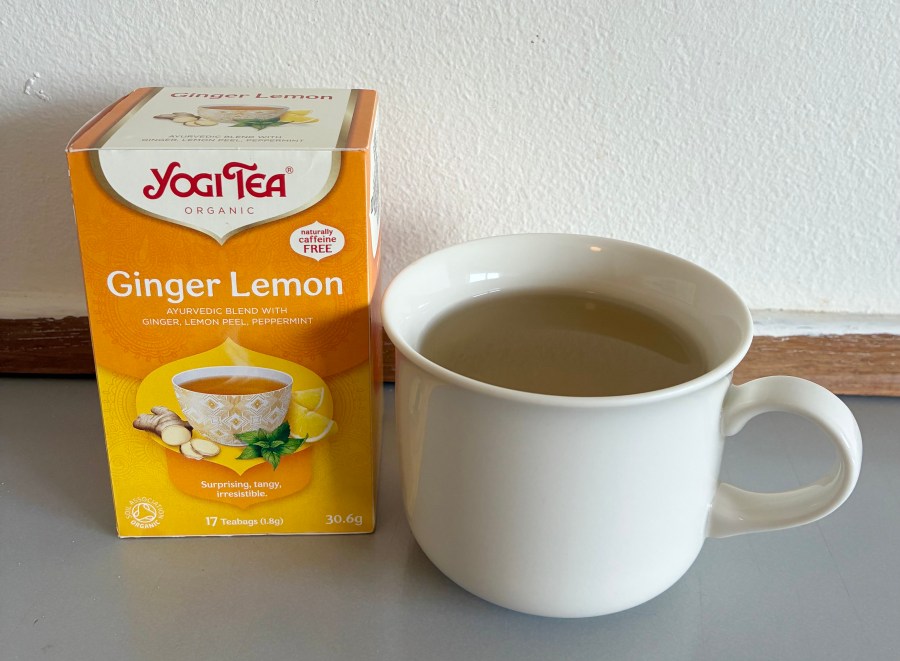
Today it was below freezing in Stockholm, Sweden, when I woke up and my soar throat had gotten worse. It made me realise how grateful I am to have and be able to drink the kind of teas I prefer. I have chosen this brand since more than two decades regardless of whether I’ve lived in Sweden, Germany, Portugal or the United States and feel happy with them. In the morning, I enjoy Ginger-Lemon with honey, to wake me up gently and boost my immune system. When I want to give myself some more care, I choose a cup of Green Chai.

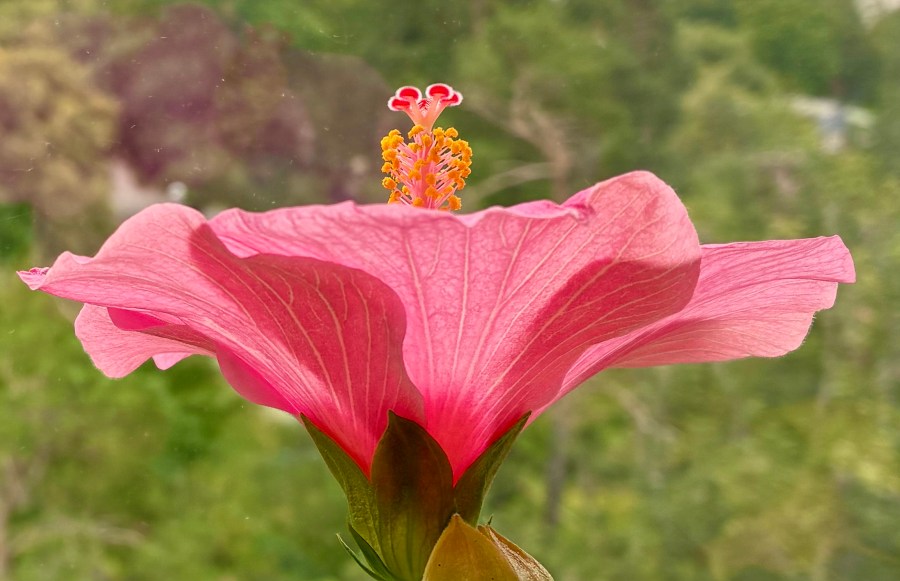
In the afternoon, I like to drink some Hibiscus tea that is both refreshing and re-energising without any caffeine. Sometimes I choose Echinacea to curb a cold or regular green tea to aid digestion.

All in all, making conscious decisions with awareness enable us both to feel free and in charge of our lives, at least in this department. And of course, this means that we can set the conditions for good health the way we want. A true life coaching necessity.

Which teas do you prefer? Or do you prefer coffee? And do you consciously choose tastes and brands when you go shopping?

Using creativity for change

One way to ignite your creativity and ensure that it’s not just a mere exploration of your imagination, is to think of something you would like to change or improve. This can be a method or a process on your job, the way you think about something, a problem you’d like to solve, or a call to create an actual invention. Our change in society is driven by creativity. We invent new technologies and through the use of it by majority, we also change our society. Some of these might feel imposed, just like when someone suggests a change on your job that you feel resistant or question to implement. But nonetheless, these inventions might be important to get to know so you can make an educated choice whether or not to adapt or to check in with what is working well to keep.

A way to think about changes thus, is through the lens of creativity. You reach these through posing curious questions like:

What would I like to change and improve?

How can I approach these changes too?

How can I benefit from undertaking this change?

How can I solve this problem?

Why is there a need to change?

How do I want it to look like?

What do I need to learn?

Who can I do this together with?

To help you see various perspectives and narrow down which action-steps you need to take in order to change, as well as come up with ideas how, meetings with a life coach like me will enable you unbiased and empowering support.

When you look at a change as a prompt for creativity, it becomes more of a positive experience.

Thanksgiving challenge!

Now that we’ve entered the month of November and thus are approaching Thanksgiving in the United States (It’s already been in Canada, and in Sweden we celebrate a day of gratitude the second Sunday in October), it seems like an opportune time to delve deeper into the practice of gratitude. Normally, I write down things that I’m grateful for once a week in a journal. But this can be expanded into areas, where each area can get their own attention and examples of appreciation.

So, the challenge is to write down 10 things you’re grateful for in 10 areas of your life! Areas can be:

  • Health
  • Family
  • Home
  • Work
  • Friends
  • Faith
  • Past-time pursuits
  • Finances
  • Nature
  • Knowledge

What we are grateful is of course individual, but it can be of things we have received, it can be meetings and what someone has said or done, what we feel we have and enjoy.

Take out your journal, or make lists on your computer! By all means, share it too. And remember, the more we’re sincerely grateful for, the more we’ll notice and receive.

Overcoming obstacles

Whenever we dread something, feel nervous and anxious, or simply don’t know how to navigate around an obstacle, it’s easy to focus on the actual obstacle, trying to overcome it. This however, will only make the obstacle feel unsurmountable and bigger than it usually is. As someone who used to horseback ride a lot growing up, I’ve learned a trick.

When a rider sets out to jump an obstacle course, it’s crucial to look over the obstacles and onto the way or even to the finish-line. If we look directly at the obstacle, the horse stops and doesn’t want to jump over it. Through this, we can learn that if we focus on what is coming next, or what we’re going to do once we’re done with the scary dentist appointment or other thing, our mindset can shift into seeing it just as a step on the way. So next time you find yourself facing an obstacle, think of what you’re going to do after it. This way, you’ll feel less pressure and more flow.

A free spirit in a free body

Last night when I practiced Isadora Duncan dance at home, I wore my new built-in top and it was such a relief! In the beginning when I started dance practicing ballet and jazz dance growing up, we all wore leotards and tights to enable the teacher to see our lines and correct our motions, besides staying warm. Then doing other styles as an adult and with fashion changing to jazz pants and yoga leggings, it became natural to let go of the leotards and use a regular tank top and bra instead with them, which of course covered up my self-consciousness as well. Wearing a bra, one would think would be needed for a see-through silk tunic too. However, that would go against Isadora Duncan’s whole idea – Dancing: The highest intelligence in the freest body.

It does make a difference! Wearing a bra restricts both our back and shoulders, arms and chest, and makes it harder to dance simply – a must to let go of. And being grateful for my small chest size instead, exactly enables me to dance. So, now I’m back to wearing soft tops and leotards again, and therethrough receive unrestrained breathing and movement, letting each dance motion extend from within. Then something wonderful happens. A free body, enables our spirit to feel free and through this freedom, joy can spring forth.

Turning procrastination into preparation

Have you ever felt like wanting to put off something, or to just wait a little longer, or to just do something else first before you dive into the task? We all are procrastinating from time to time. Sometimes it’s about doing our chores around the house and sometimes it’s about getting things done for work or finishing reading the next book for your class. How do we then best overcome procrastination and does it even have a role to play?

I’ve found that if I look at my procrastination from the lens of first needs and then as a time to prepare, I can get energised and easier get going. First of all, if I’m physically tired or have had an emotional hard day, I might have to postpone something so that I know I’m in my best position to, and rest up first. Neighbouring to this feeling, is discipline. When I make a conscious decision to do something and then follow through with it, it provides me with energy to carry it out, especially if I do it directly. So to find discipline, make a decision.

We can also look at procrastination as a matter of getting time to prepare. For example, to do other things that also needs to get done, so we can focus better, or even begin doing the planned task in our minds. As a writer, I always begin my writing in my thoughts, so while it may seem like I’m not doing anything, I might be writing my next blogpost or even my next book in my mind while I sit in my couch. Then it becomes easy to just sit down and write it out. And to prepare, I might just see to that I have everything I need set up. When the time is right, we feel it in our bodies. This way, we become more in a state of flow, which even makes the task easier.

What are you procrastinating about, and what do you need, in order to overcome that?

Life is a balancing act between comedy and tragedy

Yesterday while I was doing laundry, one of my neighbours and I started talking. He shared that he bartends in a club that has Stand Up Comedy performers and urged me to come and check it out. It got me thinking when I came home, how we all need a good laugh now and then. And how I produce them, to make myself feel better.

Life can be very tragic. And often, just like with the old Greek theatre masks, sometimes we might put up a face opposite from what we feel, like smiling when we’re sad. But sometimes, we can also have a hard time staying serious, when what we’re facing seems hilarious to us. I’ve learned that being transparent and authentic decreases the drama and real connections can instead forge; to let our face display what we truly feel. I’ve often been told that mine is like an open book. And while this might sound embarrassing to some, to me it’s a relief to not have to hide anything or having to put up an act among others, and therefore not be afraid that any skeletons would fall out of the closet.

So, to give myself a good laugh, I usually just turn to my own imagination. I imagine a scenario with whomever I’ve interacted with, or am about to, or through my own wishful thinking too of course. When these play out in my mind, I naturally start laughing. It lessens tension and lifts up my mood. It’s not like joy, that stems from within through an actual experience, but it still makes us feel better.

Which kind of entertainment do you take to, to relieve stress and get a good laugh?

Photo of masks borrowed from this site, where you also can read more about them.

Transforming energy

A while back, I heard someone saying that he didn’t believe we could change our thoughts and that is why he was stuck in depression so long. I couldn’t disagree more. Changing our thoughts is exactly what we can change! And by doing so, we can change how we feel. We do this by changing perspective. The best way I know, is by applying the opposite. Sometimes, we just need to put something aside, let go deliberately and do something else physically for example. But at best, we’re able to process what we think and feel so that we might come to a different understanding, even by choice. When this process of change has taken hold within, we’re able to embody it and thus transform our mood, emotions, and energy.

To use the opposite, try thinking of what would make you happy about a situation rather than sad, pleased rather than annoyed, loving rather than hateful, inspired rather than envious, caring instead of harmful and so forth. It can be done by assuming a stance of pity at first of the other, growing into compassion. It can be finding what you’re grateful for not to have to endure yourself, and for what you have. And it can be to assume leadership and taking charge of what you’d like to do and begin to!

Even better is, that we by transforming this energy ourselves, also can transform the energy of a room, an event or a situation. It can be by bringing stillness and calm into riled up arguments, to bring order into chaos and to bring discipline and focus into disarray and upset, when there is drama without real threats. Often, it’s just a matter of standing our ground, standing tall, and remaining firm. To me, this is even what doing the yoga pose Vrikshasana (the tree) is about. To sway if we must, but to keep the balance. With the add of a prayer, we can even transform it into love with forgiveness.

As with most things in life, how we think and feel becomes a decision.

To read examples of you can transform different feelings into their opposite positives, click here.

Taking it as a test

Whenever things happen to us that we feel have been upsetting, or even traumatic, we can reframe the event to make ourselves feel better and lift ourselves out of the emotional state of victimhood, by choosing how we look at it.

First, we can look at it as a lesson to be learned. Is there something the other person has said or done, that we can take in and delve upon as a lesson? Maybe it’s just a matter of communication and learning to be more clear, direct, and distinct, when we talk. Maybe it’s a matter of daring to set a boundary more firmly and having done so, can sometimes result in a reaction that becomes offensive. And that can be what is behind another’s accusations.

Second, we can look at it as a test of our own values and integrity. The more someone wants to speak badly about me, and for the most part based on total lies or unfounded accusations, without ever talking to me directly, the more I stand tall in my own convictions. I get to try what really is true, who I am really, and where I stand in this issue. And through this, I grow in integrity. Something that also allows me to let go of another’s opinion and continue on my own path with more openness towards others instead.

When we face what we’re not, we see what we are. Someone much better, and therethrough this instead, becomes confirmed. All resulting in a better sense of self and confidence.

Ensuring balance

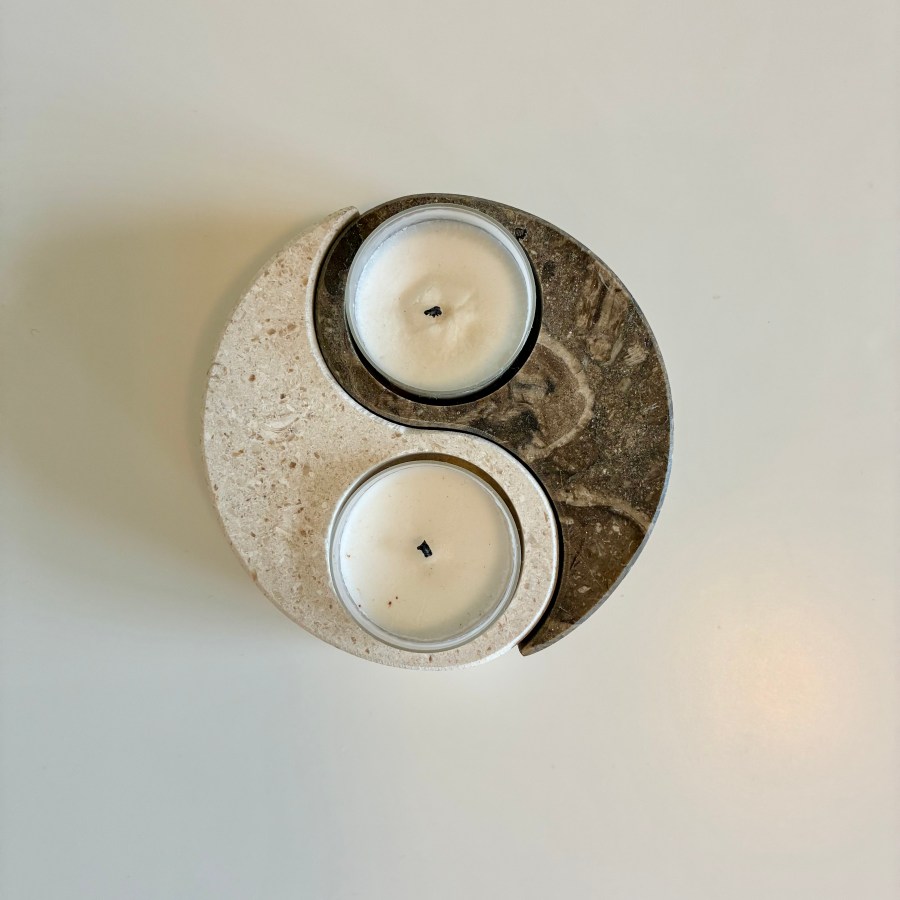
As we approach the fall equinox tomorrow here in the northern hemisphere, I feel inspired to write about balance. The fall equinox (and spring) is the time of year, when day and night are equally long, where there is perfect balance between light and dark, of yang and yin. What better opportunity then, to bring in some more balance to our lives?

To create more balance in your own life, think of how much time you spend doing certain things and see if you can compensate with the same amount for rest and sleep. While scrolling too much is never good, it can still be a way to relax and unwind after hours of intense study or writing, for example. Then there is of course tending to all our needs. Balancing alone time with time in good company with others is important, just like what you put on your plate and hydration. Having balance between giving and receiving, is the foundation for all health and relationships.

What if, this balance is the pre-cursor to creating more balance in your family and community too? In our cities and countries? Can we help each other to create more balance? To me, balance is fairness. When we treat others with fairness, we can see that justice becomes served and that everyone can receive equal opportunities, especially when it comes to take care of and meet their own needs. To not only be allowed to work, but be able to pursue the path we choose based on our actual ability and competence. And with this notion, comes the brutal truth of putting limits on immigration. Movement across borders becomes the precursor to more movement. Do all immigrants really need to migrate? Can we who do, be discerned among the masses? Or should we open all our borders to anyone and everyone? Would I have to migrate if I had a good job, made my own living, had my own home and family? If I could feel safe from authorities’ imposed suspicions of both my ability to work and my mental health, and yet assumed cheating? With little respect of both my physical safety and health, and emotional health? And if I can’t find that here in Sweden, who loses on me finding it elsewhere?

Balance is fairness. Fairness is justice. How about we all try to make life more fair?

The pre-requisites for a good dialogue

Ever wondered why a coaching session only should last for 45 minutes? This is because, 45 minutes is the proven time that we can remain focused and listen, before we need to take a break. Most of us enter conversations with a set of emotions that we either carry due to other people and circumstances, or due to a previous meeting or talk that had us become upset, or even positively anticipating and expecting, that we might now fall short of. This together with the need of processing what has been said, and what we would like to say and how, makes it important to learn how to do this before and after, so that we better can enter a dialogue refreshed.

A dialogue is by nature a conversation built on mutual respect, interest and confirmed conditions, such as when, where and how we’re going to hold it. Furthermore, a dialogue is concentrated on finding out more about a person or an issue, rather than stating one’s opinion. At best, a good dialogue enables an insight to unfold and a solution to become proposed by the person in need. This is what Socrates referred to as using the dialogue as a maternity technique.

In order to conduct such a dialogue, or a coaching session, we need to let go of our preconceived notions, to reset our minds and hearts to neutral with an openness to connect with compassion, but also to dare challenge the other. We need to have our own needs met, as in being rested and prepared, so that we can assume full presence. We do this, by listening deeply to what the other person is conveying by tone, choice of words, pauses, body language and any emotional charge behind the words. We do this, by taking on a positive approach where we do believe in the other person’s capacity and ability to solve his or her problem, or simply clarify goals and needs, and how to meet them. We also do this, by showing up as ourselves, with honesty and trust, so that the other can relax and feel safe with us.

When both client and coach show up with the same will to succeed, success will follow.

The right way to help

One of the first things that we become greeted by in the United States, is usually the question: How can I help you? While it mostly is posed to sell someone something, or out of politeness, it still is one of the more important ones to remember to ask, also when someone is asking for help. I’ve had to ask others for help many times, when I’ve been desperately broke, even in several countries, so I know the vulnerability that comes with having to rely on others to survive, and how hard it is to say no to what we don’t want, when we might have nothing. Nonetheless, we must only say yes to what really helps us, and no to what doesn’t, even if the other means well. Unfortunately, sometimes people offer to help because they want to be helpful, rather than actually help, or they have a set of rules or a system in place that doesn’t make room for the flexibility that is called for. An example is when I’ve been out of food. Getting a grocery bag filled with food that I can’t eat (for example gluten and lactose) or simply don’t like, is on one hand something to be grateful for, on the other hand completely devastating those times I’ve been shoved one, without being able to eat any. But when I lived in Honolulu 2010-12, I was told a good tale by Ramsey Taum on a UN Peace day celebration, that I’ve kept in mind and share in my first book The Call for Divine Mothering. It goes like this:

Once upon a time, there was a goldfish swimming in a bowl. He was swimming around and around but didn’t get anywhere. One day, he decided to take the leap and jump out and explore life outside of the bowl. But where he landed, there was no water and he couldn’t get up. He screamed for help several times, but nobody helped him. Finally, a monkey noticed the goldfish lying sprawling on the ground next to his bowl with water. The monkey offered to help and lifted it up. And hung the goldfish in a tree.

This all takes us back to our needs and the importance of showing others respect and trust, to discern when someone is being honest and authentic and respond to their plea when we can, in the way that the other is needing, rather than just helping based on assumptions.

How can you help someone today?

Dancing Hula by the sea

There is something very grounding and uplifting to walk on sand with bare feet, enjoying the sun. It’s also a very special feeling to walk through the forest and meeting wild animals, among the scent of lush trees and wild flowers. Altogether it gives me a sense of place, that I now have begun to feel connected to, through my na’au, as it’s called in Hawaii – my invisible umbilical cord that I have with my home. I think it’s through this connection, our energy merge with the mana (core power essence) of the land, so that we become one with it. And this is what is shared, when we dance Hula.

ree

So, I jumped at the opportunity to go down to the seaside where I live, a couple of days ago, when we had some more summer warmth and sunshine and the little beach not so crowded, so that I could dance a little, barefoot on the sand. And while the music is Hawaiian and the lyrics describe life in Hawaii, I dance to what I can relate to, both there and here.

ree

The dance thus can begin to become an extension of me, rather than just something I try to portray, I hope! Here is a clip:

Aloha!

Learning how to listen

One of my personal development goals in the late 90’s, when I first started reading self-help books and decided to become a career coach, was to become a better listener. By reading the book Co-Active Coaching and by practicing with clients, I learned that not only did I need to be more present, but in fact we become more present, when we learn to let go of our own preconceived notions and listen with intent.

There are three levels of listening according to Whitworth and Kimsey-House.

The first level: We might hear what the other is saying, but mostly we’re thinking about what to say ourselves, or what the other means, thus listening more to our own thoughts than the person talking.

The second level: We listen with more presence and more professionally, to what is being said verbally, but might at times wander.

The third level: We listen with full presence, not deciding what to answer until the other has finished talking. We also listen to the cues not spoken, such as any emotional charge behind the words, what the body language is conveying and whether there are awkward pauses or hesitancies. Then we can address these too, while we summarize what we heard our clients say, to better phrase the next question in order to develop the coaching session further.

When we listen from a neutral stance, the other person feels more heard. Try it!

What’s your story?

After attending an event today with Marco Robinson, behind the movement and books Start over, I saw once again how much storytelling means to all of us. I’ve also attended an international MeetUp group for storytelling during this past spring, to practice my own oral skills. Storytelling, when done from an authentic place and for a respectful and curious audience, is what enables compassion to grow, when we can relate.

I’ve used writing for many years to process my experiences and to reframe some of them into what became lessons and of benefit to me; hence my books. Some stories are both easier to share in writing and deserve a larger audience to enable others examples they can use and apply on similar issues or situations. But there is something very special to say it out loud to others and realise the resemblances of what many of us have gone through, to learn how we’ve coped and been able to grow from our experiences. When many share similar stories, it also forms a stronger community and eventually society.

Sitting in circle, is my preferred way, so that we all get to talk equally much, we all can see each other, and we all can listen more intently. Through this way, we can create a stronger sense of group intimacy and confidentiality. A good way to get to know both ourselves, others and the way of the group.

Which are the stories that you tell yourself about your own accomplishments and inadequacies, and what do you tell others? Are you talking from a sense of ownership and empowerment, or from a sense of victimhood? We may not win all battles, but we can be the winners of our own lives. What we’ve overcome and improved, especially in service to others, is what really matters, not what the story is about.

To begin writing your story, you can start by journaling. To reframe an event or relationship, see the pattern with more examples, and dare to change perspective. Then share!

Forming a habit

Have you ever felt a need in your body to do something more than out of reflex? I think, this is where the secret to forming a good habit lies. We set out to practice once a week for example, and then sometimes we can’t, or don’t want to, and we become upset as well as lose our practice. Then we try again to hopefully be able to stick to our new routine. And while this can become a positive and life-giving routine, we can lose touch with our bodies’ actual needs, whether that is to rest more, to be outdoors more, or to exercise more. If we don’t listen to this, our practice can become something negative rather than positive for us, which is why it’s so important to be flexible. But at a certain point, our practice becomes an inevitable need that our body craves and tells us.

By beginning practicing at home more, because of Covid, I’ve become more in tune with my body’s needs. One day, my back is feeling tight and that means I need to do yoga. If I feel cranky, shrinking inwardly and almost in a slump, it’s definitely time to dance more. If I feel overwhelmed with unwanted emotions and stress, I do qigong. This more fluid way of practicing, adapted to what we go through, can be an alternative, when we live in circumstances that prevent us from practicing on a regular schedule. Then our way of meeting these needs, can become the good habit that forms a good routine.

We live with lots of routines – whether that is in which order we get ready in the mornings such as whether we shower and get dressed, or eat breakfast, first. You’d be surprised how much difference that can make for your physical wellbeing as well as your emotional stress-level. The same thing for how we go through emails or what we do online and when. Setting our own boundaries can start with getting to know our own routines and habits. How do we do now and how is this working for us? What would we like to change, why, and to what? What is a must and what is your own preferred way?

If you’d like to have me as your sounding board for forming habits, I can coach you through zoom in Swedish or in English. Just send an email to hannah@telluselleliving.com to set an appointment. The first session is complimentary!

Setting our standards

A good way to enable boundary setting, is by looking at, and deciding, our own standards. A standard is a value that we live by, a level of what we think is good enough to let into our lives. This can be set in terms of what we acquire, the things we buy or eat, such as choosing organic when possible. And they can also be set in terms of what we allow ourselves and others to do or not to us or with us. These standards and their adjoining boundaries, then becomes our way to uphold integrity. They also say something about our taste and style; what we prefer and who we are.

Generally speaking in society, good standards can be to have access to fresh water, and to be able to heat up our apartments during winter. It can also be that most people have their own jobs and can afford their own living.

What setting standards boils down to, is what we find good or bad. It can be what we think of certain brands, or for example certain type of TV-shows or books. This is usually defined as culture vs pop-culture. When I grew up, it was important in our family to only consume good literature and what is deemed of high cultural value, such as real art. Of course though, this meant for me to excitingly explore some of the more commercialised sides and therethrough develop my own standards, and also to learn the difference between art and entertainment. This in turn becomes a standard for creativity. What is truly our own and authentically unique, is usually very artistic, whereas the more common, general, and mainstream, something is, the less creative it’s usually considered. A standard thus, is a matter of the quality that we strive for.

Which are your standards? Where do you draw the line for what you want to let into your life? And for what you let out? While this can be seen as setting high expectations, it can also omit what’s not good for us, and more distinctly help us to find our real tribe.

The bowl of light meditation

This meditation is inspired by Hawaiian healing practices. Go and watch the real sunset if you can. Let your eyes linger softly at the horizon, slightly below the sun. Or watch a photo for a while. Connect with the sun.

Take a deep breath. 

Visualize the sun entering your solar plexus. Let the light expand inside of you.

Breathe in the light.

Think of any harsh words or actions anyone has done to you lately. See them as little rocks that you can pick out of your own bowl of light. 

Pick up the imaginary rock symbolizing a negative interaction. Think of the person, and incident, and inhale. Say to yourself:

I release you. I let go. I forgive you. I’m free.

Exhale.

Do this as many times as you need. Return to your center and feel your bowl of light fill up.

Inhale.

Feel your peace and power return to you.

Exhale.

Bow in gratitude and humility. Thank you!

To listen to it, click here!

Practicing online or on site?

Have we gotten stuck in our comfort zones when it comes to online practices, or has it become the only way possible? Which are the pro’s and con’s of practicing at home, whether on your own, or online together with others, and on site? Does it even matter which type of practice it is, such as qigong, yoga or various dance styles?

When I scrutinize myself, I’ve come to the conclusion that these are the factors to consider:

Practicing at home/online:

  • Access to other forms and teachers than who might be available in your area (such as Hawaiian Hula for me in Sweden)
  • Access to recorded material makes it easier to break down and repeat specific steps
  • Access to recorded material and replays, makes it possible to practice at any time and day that suits you the best
  • No, or less, interactions with others
  • Not enough space to fully inhabit and express yourself
  • Easier to postpone and practice less
  • Perfect and keep it up meanwhile

Practicing on site:

  • Paid in advance makes you more prone to attend regularly
  • Social interactions and meeting new likeminded peers
  • More focus with less distractions
  • Bigger space to move around in
  • Getting outside to take yourself to class
  • More and easier to receive feedback from the teacher
  • Mirrors to see yourself better

What do you think? Do you rather practice at home and online, or on site? Is it even a question about what’s more important – freedom and autonomy, or belonging?

Understanding the spiral

A couple of days ago, I passed by this cute little snail with its beautiful shell in the form of a spiral. It got me thinking of how brilliantly it can be used as a metaphor for life coaching and personal growth.

When we walk slow enough like a snail to be fully present in the moment, we can notice if we feel like we’re going around in circles. That can be things like, the same things happening again, we enter a relationship with someone similar showing up the same way, or we simply respond to a situation the same way we usually do. And get the same result. But, if you notice that resemblance in the moment, you can see it as a call to change. If you then change your choice, your response, or how it’s delivered, you’ve been able to raise a level and start a new circle, a positive spiral, and evolve.

Can you think of a relationship or situation that you would like to change? See if you can pinpoint the moment it tilts a certain direction, and think of the spiral.