My green journey

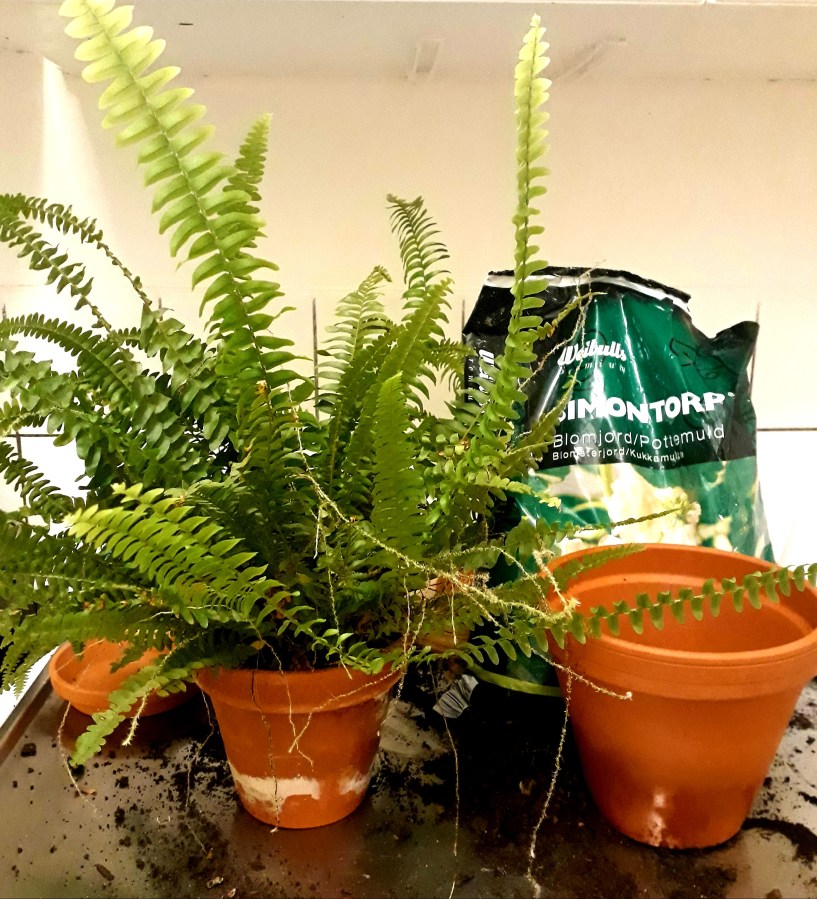
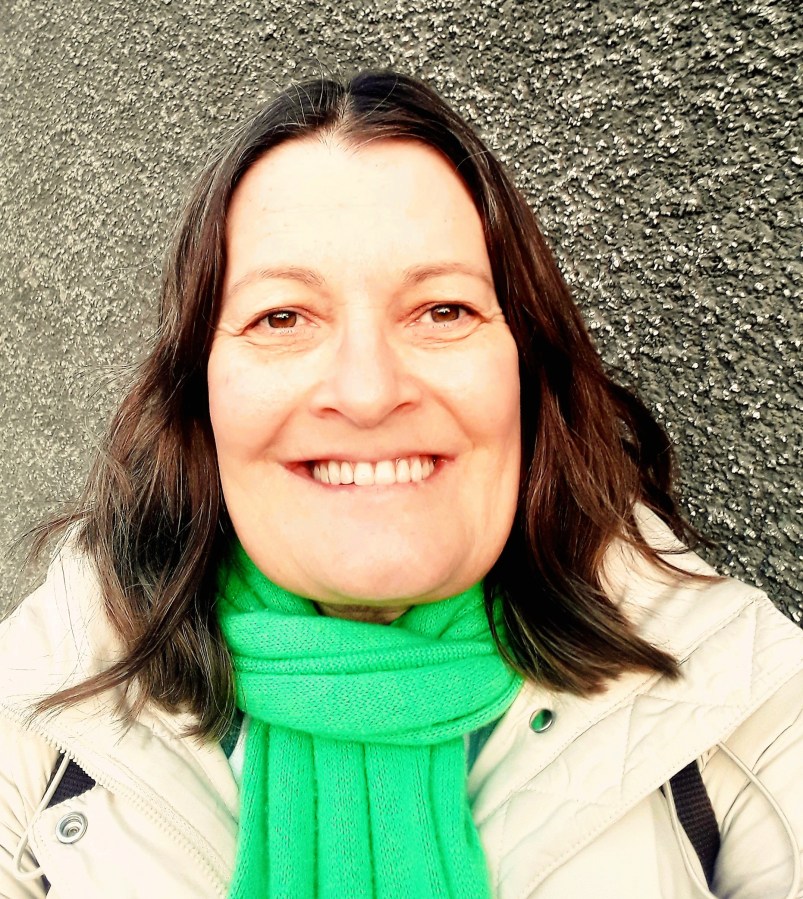
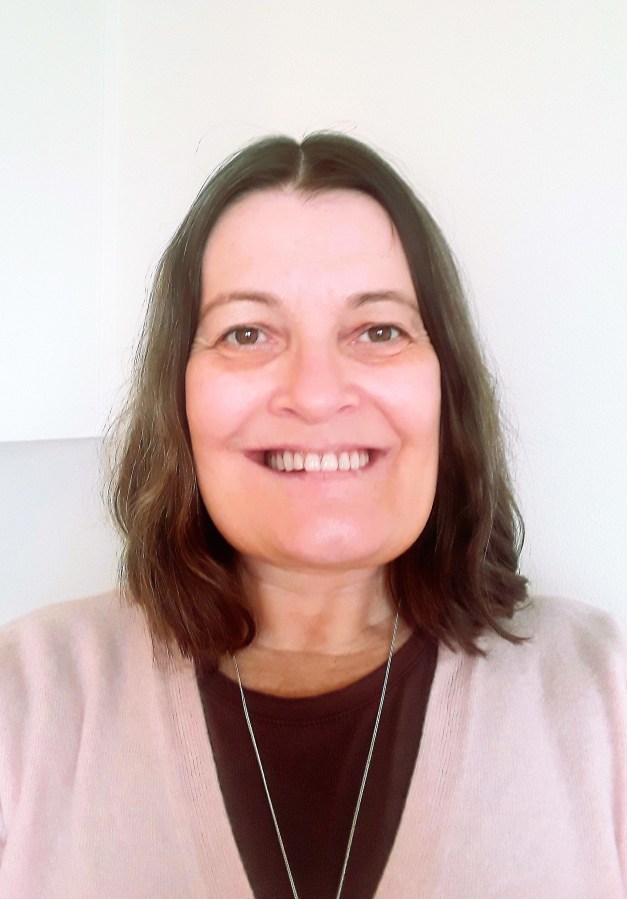
I was always the one helping my mother to repot our plants, growing up. I liked taking out weeds in our garden and raking the yard. Growing up in the 80’s in Sweden, was also when the environmental movement took root. We started recycling paper and cardboard, and my brother recycled bottles for coins in return. We also started using less toxic detergents, that my mother loved to curb our allergies and sensitivities with. Besides this and caring for my bunny, I loved horseback riding and enjoyed our little hikes in the forest. I dreamt of being able to ride like a Native American Indian and wanted to be a Shaman, the way my grandfather had a drawing with, on his wall, that I later inherited. I often felt one with the horse, and read two books about horse psychology in an effort to become like the Horse Whisperer. We never threw trash on the ground and while I was still a teenager, I did feel certain that voting no against nuclear power plants would be the best option for our future. My future. We lived close by one, for a while, close enough to remember the drills with our phones ringing to warn us of any leaks in preparation. I felt one with nature.

In the 90’s, I worked for TetraPak as a mail-runner and after continuing to take my first year in Communication and Media basics, I got to intern at their information department, as their first one. One afternoon, I got to join them for a meeting at a remote location, filled with acres of peat, cultivating for years into becoming organic soil. A soil, I still use, for all my plants. No wonder then, that I also used recycled paper for my invoices and to my first set of business cards, as a freelancing copywriter! Raw and light brown, with a logo in green. I also became a vegetarian and started to eat organic. And went to San Francisco to see if I could move there, where much of the Green and Women Liberations movements had begun, but also understood it would be hard with English as my second language to pursue copywriting.

In 2004, at my first visit to Hawaii, I also visited Big Island and saw the Volcano spit her lava and how land was created. It gave me a spiritual experience that opened up for deepening my connection to earth and gain an understanding of how we must relate to the land, to really be part of the eco-system more consciously. In 2005, this cultural pursuit became solidified by learning how to dance Hula, upon West African dance. It was also now that I began to only use hair-, face-, and body-care products, made of biological ingredients. And learning more about how important the ocean also is.

In 2008, I became a member of the Green Environmental Party in Sweden, after having been loyal to WWF all my life. And I had just started to ponder, if I should pursue a political career, to work towards making green standards become the norm, when I was made homeless after having to wait for years to fix my teeth. I moved back to the United States instead and had hoped to build and start Telluselle Living Center in San Francisco in 2011, after becoming a member of Kanu Hawaii and getting a tip from one of their founders about Bamboo Living.

I had no idea, that living healthy and eco-friendly with a spiritual touch, would ever be considered something politically inflammable, that has become something to overcome first. But luckily, after beginning to learn how to dance the Isadora Duncan style and understanding how this cultural activist of her time, also started off her creativity by dancing in nature, it has enabled me to add an important piece to the puzzle. Isadora was of course, born in San Francisco, letting me come full circle, with a focus on creating a sustainable society through the arts.

The history of 5rhythms

Just like Isadora Duncan, Gabrielle Roth was also born in San Francisco. She overcame a knee injury and an anorectic self-consciousness, by finding a connection to wholeness, through movement. Turning inwardly rather than staring down oneself in the mirrors. She established her practice in the early 1970’s and took it to New York and the rest of the world. Gabrielle defined her dance practice as The Wave; going from Flowing, Staccato and Chaos to Lyrical and Stillness, that can be translated into the five natural elements. These are a perfect combination to also explore our emotions, ranging from fear and anger, to joy and compassion, as well as ways of surrendering through improvisation. Dancing 5 rhythms is about daring to let your body lead, to let go, to simply dance the way it feels natural and needed for you, making you feel more grounded and connected.

Gabrielle Roth also incorporated the use of African dance and Yoga, to connect the fluidity and breath with various rhythms. She made several records, as well as wrote three books, to teach us to Sweat our prayers. She was inspired by Shamanism and the desire to heal.

The 5rhythms and Ecstatic dance, suits all people wanting to liberate themselves through spontaneous movement, going through the whole body. Have you tried it?

Becoming an eco-friend

You don’t need to be neither a vegan, nor a climate change activist, to be a true eco-friend. To live a genuin green lifestyle, simply embrace indigenous values to be in relation to the land. To be part of the eco-system and have care in mind, for all your decisions. This can look like:

Green care for your body: Use skincare, haircare and facial care products that are organic at least, and preferably with only biological content (ie no parabens and un-necessary lather agents). It also means to eat organic food when possible, (ie without pesticides and chemical fertilizers), drink clean water and exercise in moderation, as well as taking walks in nature. Dress in natural fibers, and see if there are organic options when you buy clothes.

Green care for your home: Use detergents and cleaning products that aren’t harmful for the environment. Use less plastic ware and more glass, reuse when possible, recycle bottles and lessen waste (ie donate to flea markets and the Salvation Army, if not possible to sell through vintage stores or e-bay). Find balance in how much you have and how you decorate, for example through Feng Shui. And buy your energy from a company that uses wind, water or solar.

Green care for your work: Whether it’s buying eco-friendly paper to your printer, or making decisions about manufacturing, distribution and customer care, have the environment in mind. What is good for the environment can never be unhealthy or bad for anyone. Commute rather than drive, and if possible, drive together with others to lessen traffic.

Green care for your mind: Practice mindfulness and meditation to make space for good decisions and peace of mind. Wellness practices like qigong can help you focus and become more aware of your body, your emotional state and your needs. Study and read up on what sustainability and organic means, so you can make informed choices. Look at the list of ingredients.

Green care for your heart: Make your relationships green. When you go out to lunch or for a cup of coffee, see if you can choose restaurants and other establishments, that have an eco-friendly policy, such as bring your own cup, bottle or thermos. Delve into topics that relate to creating green solutions together.

Green care for your spirit: Remember that we all share breath and that we are part of nature. That this aliveness, is a foundation to feel one with and awe for. We are not separate from nature, we are made of water just like the oceans. Let nature inspire you and see how much around you in society, is inspired by nature. Celebrate its beauty and your connection through art, like dancing Hula, Isadora Duncan, West African or the 5 rhythms.

Green care for the earth: Don’t litter outside! Have a look around where you live to see how nature is shifting according to seasons. Where does the sun rise and set? When do the leaves turn red in the fall or when is it season for tsunamis? Are there places you know of that needs protection? Recognize all the animals and enjoy the scenery. This is what you want to keep and to show future generations.

The question we must collectively answer is: How do we choose between locally produced but not organic, and globally produced and organic, but more expensive to ship and through transportation still bad for the environment? Can we make organic, the standard?

The history of Hawaiian Hula

Since the Hawaiian language from the beginning only was oral and not written, everything was shared though storytelling, chants, songs and dances. Hawaiian Hula depicts the various places of the islands, the history of battles and kings, the love for one another, and the spiritual facets of the traditional beliefs and legends. Thus, Hula is a form of storytelling to music. When the white settlers came to the islands, Hula was banned for some years, but thanks to King Kalakaua, it was reclaimed and are now even part of church services at times.

There are many forms of Hula, where the two major kinds are called Hula ‘Auana; modern, danced to the ukulele, and Hula Kahiko; old, danced to the ‘Ipu Heke, a gourd drum. The focus of Hula lies in the motions of the hands and the hips, with bent knees, but one creates beauty through the dance and one’s character living righteous (pono) and in compassion and generosity (aloha) rather than just seeking it by looks. Even so, certain type of dresses and skirts goes with certain type of songs and places, as well as the choice of colors, and types of flower-garlands (leis). The best hula is a communication that forwards the meaning through spirit and the dancer, to the audience, becoming one. Most often, men dance separately from women, with a variation of steps.

To become a Kumu Hula; a teacher, one has to train extensively with someone who already is, often through one’s family lineage, and be initiated through proper protocol and evaluation. At Telluselle Living Center, we will only have Hawaiian Kumus teaching Hula.

Photo borrowed from Wikipedia.

The history of African dance

African dance, is a form of barefoot dance, expressed to live drummers. Whether to celebrate a rite of passage or a harvest, African dance motions aim to depict these, in harmony with nature. In the United States, these type of dances were brought into the country by the slaves, who used it both to socialize among themselves, as well as to liberate their bodies after hard labor. Each country has their own rhythms, some even can be attributed to a certain village, and they’re not as simple as we’re used to, using the count of eight or three, but more eclectic. Women and men can both dance separately and together, depending on the occasion. Much of the modern music, such as jazz and soul, have their roots in African rhythms. They must be experienced!

At Telluselle Living Center, there will be West African dance classes.

Photo of a painting, borrowed from Alamy.

The history of Isadora Duncan dance

As a brief introduction, I thought I’d share some more about what Isadora Duncan dance is. Isadora Duncan was a pioneer in modern dance in the early 1900´s. She thought of classical ballet as too uptight, with constricting clothing and motions not natural to the body and therefore created her own, beginning outside in nature as a child. She came to develop various sets of choreographies depicting a certain theme or era, such as the dances about love in lyrical style, dances about motherhood, dances based on Greek myths and the Olympics, and dances about Russian workers. All to classical music, preferably played by a live pianist. Her motions often contain an element of spirituality and a desire to express her soul, in harmony with nature.

This is a photo I saw in a magazine lately, showing a painting by Prospero Piatti, that the Greek Olympics also had a variation called the Heraean games, where women competed in honor of Goddess Hera (the wife of Dionysus); a must inspiration for Isadora!

She formed her own dance company called the Isadorables, performed in many European countries after she left the United States, where she was born. She died tragically in a car accident, where her scarf got caught and strangled her. The work of Isadora Duncan lives on through her dancers, that in turn became teachers to others, and further down the generations.

Feeling the time

Today, when I woke up, I guessed the time and when checking my phone, it was exactly that on the dot. I love having this ability! It’s how I feel in tune with nature and the course of life. I used to practice this with the sun, which in Hawaii is fairly easy, given the daylight stays almost constant throughout the year. But, what about the very cloudy and dark days in Sweden, then? Like today, it’s both foggy and cloudy and the sun is nowhere to be seen….

In Portugal, I learned that this feeling can also come with the shift of the tide, that too can be perceived physically. If you think about it, since we’re made of mostly water, it’s no wonder we’re in tune also with the water levels on the planet.

How is it where you live? Can you look out the window and tell what time it is? Have it a go!

Photo from Sao Joao de Estoril, in Portugal.

Loveliness

In Sweden, we call St Valentine’s Day for All Hearts’ Day. It’s a name I like. While celebrating a Saint is one thing, celebrating love in general, is far more important. So, what better day than today, to remind ourselves of the many kinds of love we have:

Romantic love (for sensual partnership)

Friendship love (for fun, for trust and for support)

Family love (to be fully known)

Classmates love (for growing together in knowledge)

Co-workers love (for respect, accomplishments and mentoring)

Pet love (for unconditional attention and touch)

Nature love (for beauty, oneness and belonging)

Human to human love (for compassion and empathy)

Divine love (for Agape and being loved by God)

Self-love (for protecting ourselves and have good health)

The most crucial thing that I live by, is focusing rather on being loving, ie to love, rather than worrying about who I’m loved by. I also try to remember that we can’t receive all types of validation from the same person. Therefore, it’s more important, how many I can love.

What is a good dialogue?

We post on social media, text each other, and chat. We listen to webinars about prosperity and watch teachers talk about how to find bliss and success. But nowhere, seems there to be any real dialogues. No actual replies based on your specific situation, conditions or concern. This is my specialty as a lifecoach, whether for one-on-one sessions or for small groups (up to a dozen). The absolute prerequisite to holding an authentic dialogue, is assuming a genuine stance of respect, honesty and equality, with an open mind, and a willingness to let the conversation flow and develop on its own.

Typically, we decide a time and place beforehand, where a level of confidentiality can be held, and with a set agenda, ie a decided topic or issue to discuss. This isn’t to prepare some kind of oral examination, it’s more to have an agreed upon focus for our dialogue. A topic can be a special situation, relationship, or problem in need of solving, or it can be an exploration and discovery of various themes, that we want to define and find coherence for together. The whole purpose of a dialogue, is to listen and clarify things, where the answer you give, leads to the next question becoming posed by the coach. The result is a solution, or conclusion, coming from yourself with a more varied perspective and will to act on. Contact me to try! The first session is for free.

Learning how to dance

All dance classes start with a thorough warm-up, needed to be able to do the motions fully without harming ourselves. After this, we might focus on practicing certain steps a little extra, before we take on practicing an actual dance. To learn a dance, these things are taken into account:

Technique – how we do certain motions

Choreography – which motions we do and in which order

Presentation – the way we express ourselves

Music – what we dance to and in what style

Context – any symbolism, such as legends or stories that are told through the lyrics and motions

All this becomes easier, when we also dare to relate personally to what we’re doing. Finding our own correlated meaning, through our own emotions and experiences, makes for a better performance. Tuning in to my own memories of San Francisco thus, made it easier to dance Hawaiian Hula to this song:

More about my dancing can be found here.

Listening exercises for conversation circles

One of the most fundamental ways to conduct a good dialogue or round table discussion, is done through learning to listen attentively and be present. Most times, we sit and prepare what to say when it’s our turn. Or, we want to respond to someone and focus on that, rather than letting the word travel, and evolve accordingly. Here are three exercises that are a great practice for improving our skills, so that we better can take part of conversation circles.

Exercise 1: Whisper a word, or a full sentence, to the person sitting next to you. Then let him or her continue to pass it on, by whispering into the next person’s ear. Note that you’re not supposed to repeat anything, just whisper once. At the end of the circle, the last person says it out loud. Guess what, it might have become something completely different! The lesson is, we think we know what was said, but we didn’t hear it correctly.

Exercise 2: The first person says any word. Then the next person in the circle, associates freely on that word. Note, that you’re not supposed to decide beforehand what to say, but wait until it’s your turn, since the association might develop into a direction that you don’t know yet.

Exercise 3: Time to delve deeper into a specific topic. This time, we might go in the opposite direction or change places in the circle first. The first person starts defining and describing a subject. The next continues, by adding his or her own examples and definitions and so forth. Make sure to also give space for questioning, other perspectives, and any problem solving, letting one thing lead to the next. The best solution may need steps to be found!

This is part of the planned conversation circles we’re about to have at Telluselle Living Center, alongside group coaching, and brainstorming sessions for green innovations.

The Sami seasons

In Sweden, we too have indigenous people, called Sami, who mostly live up north and are caretakers of reindeers. They too have special clothing and a culture rich with crafts and chanting in their own language. I was thinking of them today, as I walked out the door, happily smiling at the sun and feeling reassured about spring also coming this year. Now, our days are becoming longer again, ie we have more daylight.

The Sami people have concluded that we have eight seasons, to mark the shifts in nature. I was wondering if this now is the “spring-winter” but not yet. I have yet to wait for that. Their eight seasons are:

  • Spring-winter (March-April)
  • Spring (April-May)
  • Spring-summer (June)
  • Summer (June-July)
  • Autumn-summer (August)
  • Autumn (Sept-Oct)
  • Autumn-winter (Nov-Dec)
  • Winter (Dec-March)

The snow has thawed at the moment in Stockholm, Sweden, but we’ll have to wait another two months before we can step into spring. However, with this categorizations, it becomes a little more accurately described to the actual climate here, in comparison to other places. How is it where you live?

For more knowledge about this and the Sami names of the seasons, click here.

Using our senses

A good way to practice mindfulness, is to become more aware of our senses and both be present and communicate what they’re telling us. While meditation helps us focus inwardly, and make our sensory input secondary, practicing mindful presence, requires the opposite. Here is how to exercise that:

While puttering around your house, take a pause and reflect on your senses:

What are you watching?

What are you hearing?

What are you smelling?

What are you touching?

What are you tasting?

And, how does these make you feel? If you express this orally at the same time you take notice, it becomes a way to feel more awake and aware, thus becoming more present.

Self-care for the week

Do you remember the hashtag #throwbackthursday? It was huge several years ago, when everybody were posting old photos of themselves together with the tag. In the vicinity of these years, I thought it would be fun to use an alliteration for the rest of the days of the week too, but for self-care and lifecoaching purposes. Since I haven’t been able to sit down in my own apartment and be creative for many years, it has taken me until now to pursue this idea, but here it is! Having a theme for the day, can both be helpful when it comes to better take good care of ourselves, and be a focus for posting something on social media. So, please spread and use as much as you’d like!

#motivationmonday

What is a reward you’ll feel, or can give yourself, after doing what you want to do?

To increase our motivation, we need inspiration and focus. By thinking about why you need to do something; defining a purpose, it might feel easier to. You might treat yourself to something special or simply enjoy a sense of accomplishment and fulfilment.

#thoughtfultuesday

What is a kind thing to say or do for someone else today?

There is always a need for kindness. To be kind towards yourself, others and earth, what can you do? Recycle, listen to birds on a walk, help a stranger to carry something or setting a boundary towards others for your own peace of mind, heart and health, are a couple of examples.

#wellnesswednesday

What is something you can do for your health today?

Ensuring our needs are met, is a good way of ensuring a good health to the best of our ability. Feel in your body what these needs are and give it that, whether it’s more sleep, water, exercise, food or a good cry.

#thankfulthursday

What are you grateful for today, or this week?

By listing what we’re grateful for, both big and small, both for things we have, what we’ve experienced, and what we’ve been on the receiving end of by others in our interactions, we can increase a feeling of content and happiness, and attract more of the same.

#freedomfriday

What can you do to feel free today?

Let your hair down, dance around, go for a ride on a bike or a horse, or even in your car through nature, can help you feel free. It can also be to write without censoring yourself in a journal, and explore all your opinions, values, dreams and ideas.

#sustainabilitysaturday

What can you change on your shoppinglist today?

We all like nice, new, shiny things, but do we need it all, or can we buy different kinds that are better for both our own health, as well as our planet? To live more sustainable, choose both things that last longer (its original meaning) and is eco-friendly and with biological ingredients, whenever possible. You might also opt for vintage or swop clothes with friends and neighbors, as well as think of using renewable sources of energy in your home and office.

#spiritualsunday

What can you do to honor your spirit today?

This day of the week, has always been earmarked for a day of rest and spiritual nourishment. Whether you prefer to attend church, read the Bible at home or chant a Buddhist prayer, what is something you can do today to reflect on your being and how to improve? It might also be a day for you to spend some time in solitude and serenity, as well as plan for the week ahead.

Turning your dream into reality

How do we make our dreams come true and manifest our intentions? Here is a simple outline that you can follow:

  1. Write down a vision you have. Describe your dream or your wish.
  2. State your intention that you’d like to see this become real.
  3. Create goals.
  4. Make a plan for what to do.
  5. See to which resources you’ll need.
  6. Find support.
  7. Take action!

We start by dreaming big. What does your dreamlife look like? What is it that you’d like to accomplish and why? What is the feeling you’re seeking, through this dream? For example: financial independence, becoming popular, be creative, be productive, make a difference… You can also add why you think this is important (This will give you a sense of purpose.).

Then, we state our intention with a mission statement. Our intentions are like little seeds that we plant; a wish we would like see happening. You can simply finish this sentence: “I’d like to…”

To begin manifesting this dream, dilute it into goals. A goal is something that you know is attainable, affordable, possible and with a deadline, or time, for it to be done.

Now, it’s time to map it out with a plan. What is it that you need to do? Do you need more information? Learn something? Which contacts do you need? Is there someone you could meet with? Do you need any legal permits, licences or visas? Who are you going to work with? Who are going to find use for your goal? Where do you want this to take place?

Nothing can get done without money. It’s a cruel fact. So, how much do you need and for what? Do you have anything saved? Can you take a loan? Work extra? Find sponsors? Meet with investors? Do it together with someone else? Is there any equipment involved? Can you lease it instead of buying? A resource can also be your own actual ability, such as if your health permits, your location and your family status as well as your knowledge.

We all thrive better with support. If you know of someone who has done what you plan already; ask him or her for advice. He or she can be your mentor. You might also decide on which friends or co-workers you can tell this to and thus get their support and cheer. Perhaps, there is a group online or where you live, that can be helpful?

Finally, make a checklist of all the things you need to do. To call, to find, to apply, to read up on, to e-mail, to go and see, to measure, to count, to follow up and when by….

To make this process clearer with your own dreams, goals and wishes, as well as to build your own confidence, you can book a meeting with me as your lifecoach. I can coach you through Zoom, or in person, and also take on small groups. Contact me here to try!

Understanding the natural elements

Humankind has always wanted to make sense of life and this starts by observing nature and trying to understand how it works. Its starting point is. that everything can be divided into dark and light, night and day, winter and summer, feminine and masculine, yin and yang. Everything is in motion towards one or the other, all intertwined and affecting each other. Our bodies in turn, can also be interpreted within the same framework, where some of our organs are considered yin and others yang, according to Chinese Medicine. If we’d like to, we can also translate this into how we best create balance and beauty with comfort in our homes, to set the stage for us to grow in abundance, health and prosperity, called Feng Shui. All based on using the natural elements to create harmony for our health.

Winter is considered yin, and is represented by water (kidneys) moving towards wood (liver and gall bladder). Spring is considered growing into yang, moving towards fire (heart). Summer is yang and fire, moving towards air (lungs and large intestines) becoming yin, ie fall. To make it even more interesting, one can also connect each organ with an emotion, such as anger lives in the liver, love lives in the heart, fear in the kidneys, pondering is in the spleen and stomach (earth), while stress and grief becomes affected through the lungs and large intestines, where our skin can be looked upon as our third lung. Seeking to balance all these, is to seek health. Both acupuncture and Qigong are used for this, while we also can seek to understand these dynamics in the way we dance – from contraction to expansion, and in all their variations.

The ten right questions

To improve your decision making, asking these questions, can help you see clearer if the choice you’re about to make, will help you achieve your goals and are in alignment with your values. They come from the book with the same title, by Debbie Ford:

1. Will this choice propel me toward an inspiring future or will it keep me stuck in the past?

2. Will this choice bring me long-term fulfilment or will it bring me short-term gratification?

3. Am I standing in my power or am I trying to please another?

4. Am I looking for what’s right or am I looking for what’s wrong?

5. Will this choice add to my life force or will it rob me of my energy?

6. Will I use this situation as a catalyst to grow and evolve or will I use it to beat myself up?

7. Does this choice empower me or does it disempower me?

8. Is this an act of self-love or is it an act of self-sabotage?

9. Is this an act of faith or is it an act of fear?

10. Am I choosing from my divinity or am I choosing from my humanity?

Using these questions, let you try your perspective and reasons for choosing what you do.

To live the life you would like, having a coach to discuss these with, can help you. Contact me for a session by Zoom (or in person if you’re in Stockholm, Sweden), where we start probing into which changes you desire and why, which problems you might have that you want to solve, and what your needs are.

Making New Years resolutions that work

It was when I worked as an editor for a fitness club member magazine 23 years ago, that we talked about how to make New Years resolutions work. Many, like to get fit, loose weight, quit smoking and so forth, and make this into a resolution, but often not lasting more than a month. Why is that, and how can we change it?

After reading Cheryl Richardson’s books, newsletters and watching her Life-makeover series on Oprah, I came up with the idea to instead decide on a word that can be used as a focus for the upcoming year, and have shared this in my own coaching newsletters since 2002. I used to journal on it, after practicing yoga as my own little ritual at home, for a couple of years. It’s not a goal that I’m trying to manifest, intend or achieve, but instead something that can guide my personal growth and journey towards creating more peace, love and happiness. In 2021, I had Integrity as my theme, in 2022 Posture, as my focus word and thus I practiced on improving my posture as often as I could remember, such as when standing in line somewhere. This year, I’ve had Enthusiasm as my theme. With this, I’ve simply asked myself if any decisions or choices I’m standing before, ignites my enthusiasm. It has, and thus I’ve let it guide me. In 2024, I intend to focus on Relationships, ie how I relate.

By nature, each action has a reaction, or simply put its opposite reflection. A desired change, therefore often produces a feeling of resistance. But, resistance tells us that we must understand why, we need to change, and let this friction within (and outside of us) become the fuel, the actual energy, with which we can implement change.

For success to be possible, we must create the right conditions for it to happen. It’s like making sure we have the right pot, soil, water and light, rather than asking the plant to grow faster or taller or bigger. It will naturally do so, when the conditions are right for it. This is an important part of lifecoaching – it’s not about struggling to reach a goal, but to look into what needs to be done to do so.

What do you feel would help you, to focus on next year?

Taking the lead

While I was thinking of my cousin yesterday and how we’ve spent some fun Christmases growing up, some years, I received an insight. I’ve decided to make Relationships my theme for 2024, and while contemplating this, I felt called to remember that I must resume taking the lead. I’ve most often done so, most of my life, whether it’s been creating a new subsection of our local riding club, suggesting improvements at the workplace, being president for the south county fraternity for former exchange students, or simply being the first one that enters the dancefloor on a club, it’s been me. During spring 2003, I decided to not run for becoming the president of another fraternity organization at the university, like I first thought of, but instead be the one suggesting others for the election committee. I shouldn’t have done that. I thought of it, as something that leaders also do – enabling others to take the spotlight and support them. But, I am a leader, and I should not step aside out of false humility, to not always be the one in the limelight. I can have that position.

In my relationships, I’ve done the same to feel accepted, and to not create friction, but often felt like I’ve had to compromise away my preferences and priorities. Now, that’s no good for anyone. So, I visualised, and tuned into, the feeling of taking the lead again, also in my relationships. Not necessarily always taking the initiative, but to reclaim my power and lead again. To step back into my confidence and invite others to tag along.

Looking forward to try this in 2024!